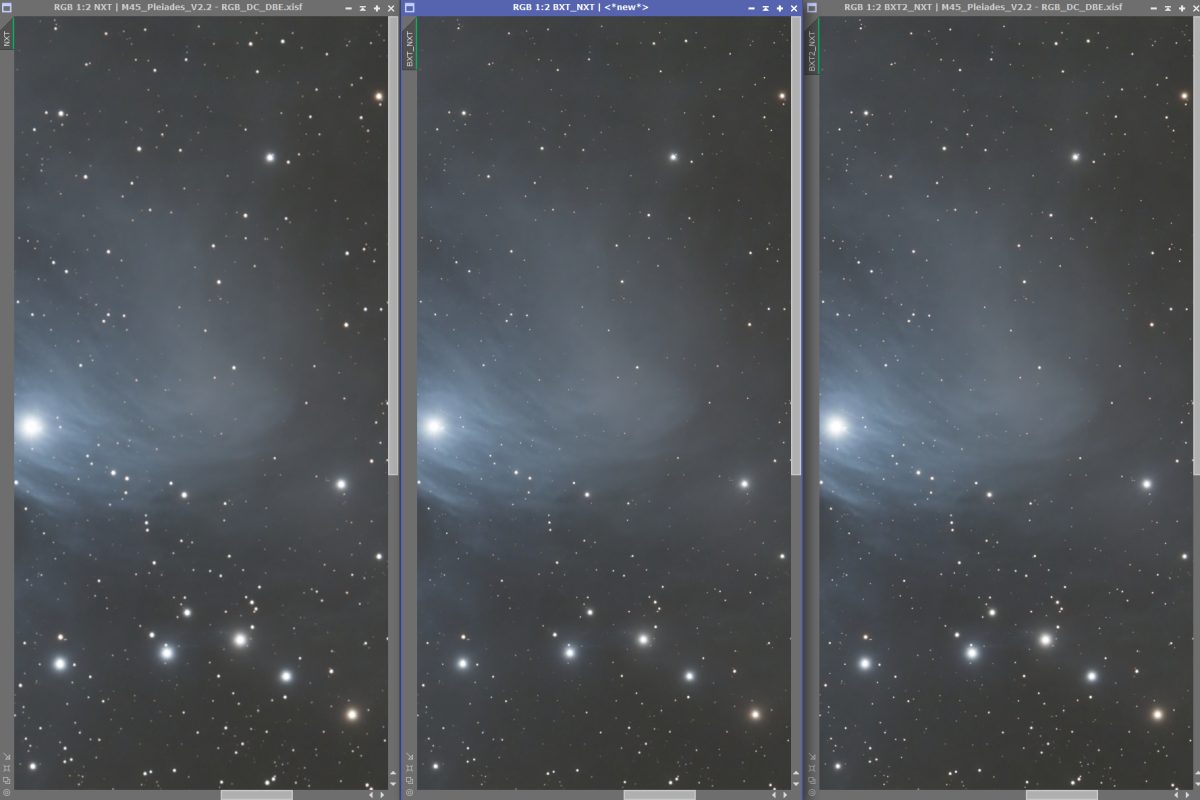
The PixInsight plugin BlurXTerminator V2 was a spontaneous purchase for me. The result seriously surprised me.
 Astronomy and Astrophotography
The PixInsight plugin BlurXTerminator V2 was a spontaneous purchase for me. The result seriously surprised me.
List of the northern hemisphere part of the Caldwell Catalogue. The focus here are the information I use to plan my astrophotography projects.
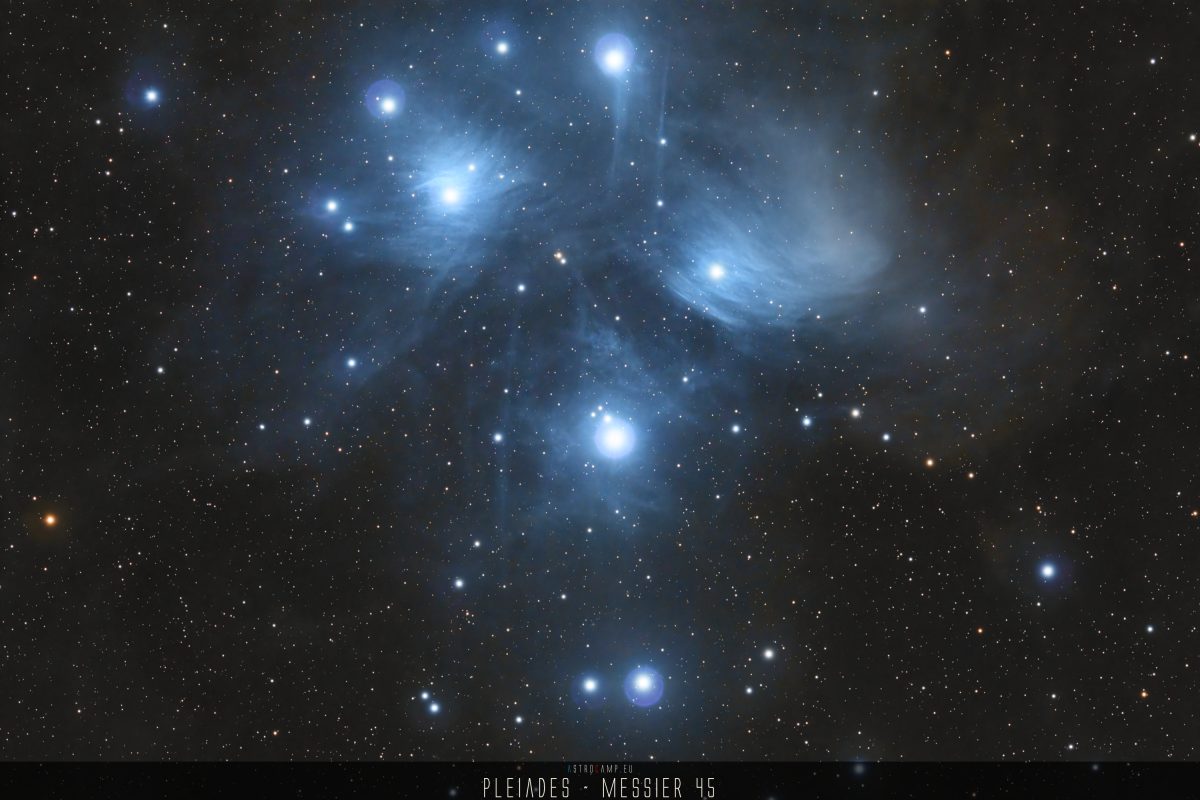
I found unused M45 data while organizing my astrophoto data. The Pleiades data is from 2021, the telescope already sold and the picture reprocessed after a single month due to a new plugin.

The Moon in mineral colors. The result of a short lucky imaging session.

The Open Cluster Caldwell 16, NGC 7243 in the constellation Lacerta. The result of a short evening.
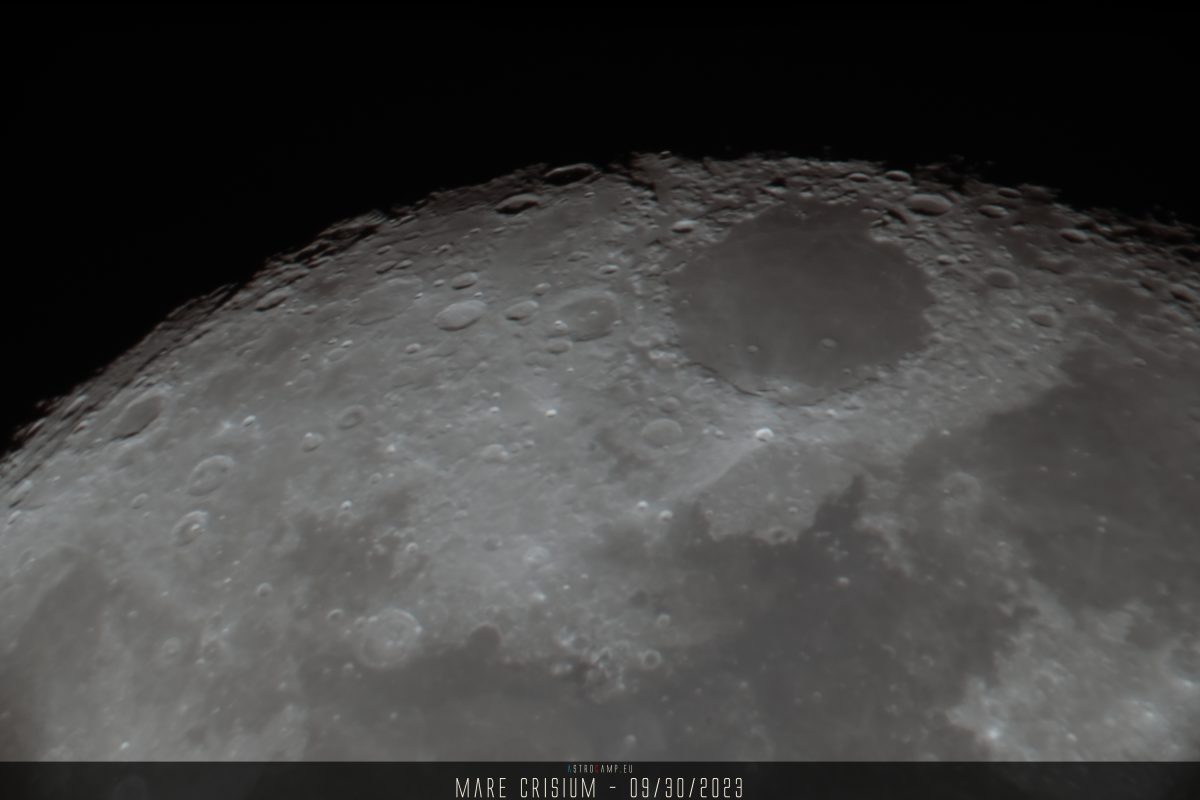
Mare Crisium – Photo taken at 4500mm with VC200L using Televue Powermate 2,5x.

When should NoiseXTerminator be used, in linear or non-linear state?

While waiting for Jupiter and the Moon there was still Saturn. This was the last Saturn for this year.

Too much Moon leads me to planetory imaging … here my Jupiter. One month before opposition.
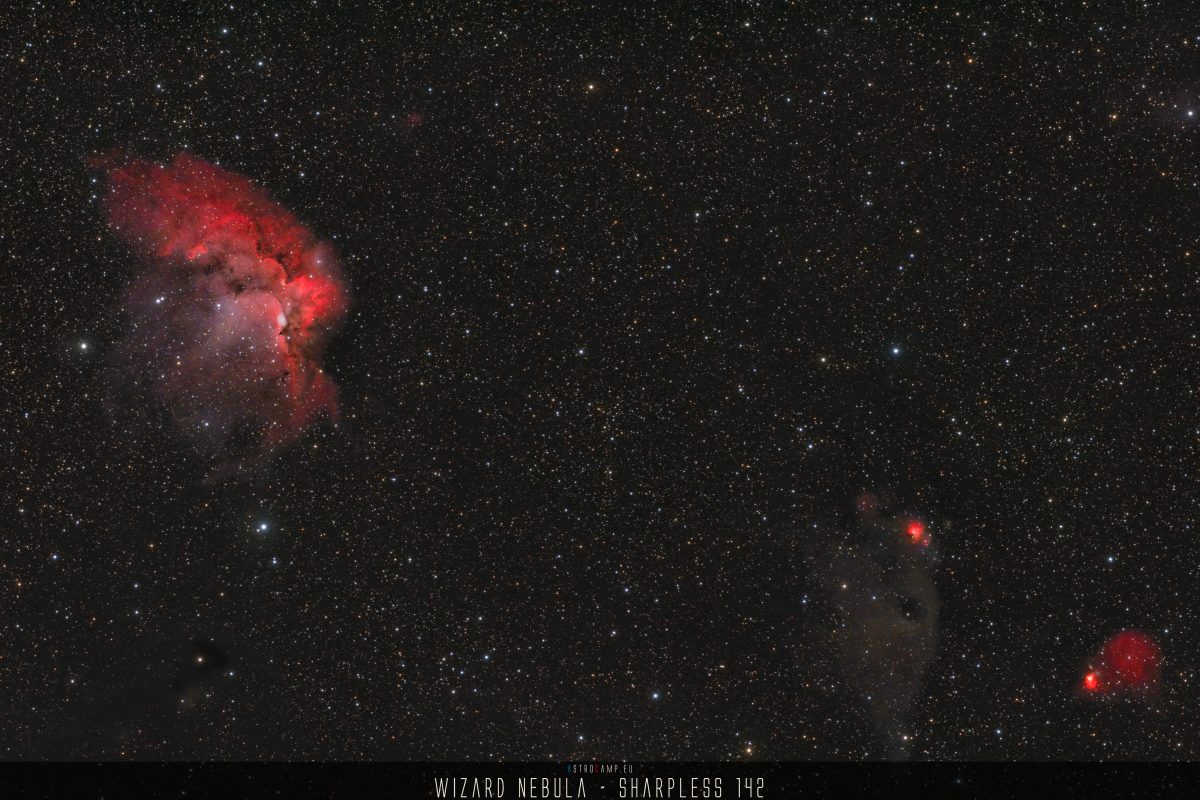
The Wizard Nebula or Harry Potter Nebula. 8h35′ exposure time with my Baader Travel Companion.