Here I describe the lengthy decision-making process for switching to a mono camera, including the requirements, considerations, and the specific equipment I ultimately chose.

 Astrocamp – Deep-Sky Objects, Catalogs & Astrophotography
Here I describe the lengthy decision-making process for switching to a mono camera, including the requirements, considerations, and the specific equipment I ultimately chose.

For capturing astrophotos, it doesn’t always have to be a cooled astro camera. There are reasons to use a standard DSLR or DSLM camera. However, in the case of astrophotography, an astro modification is recommended.
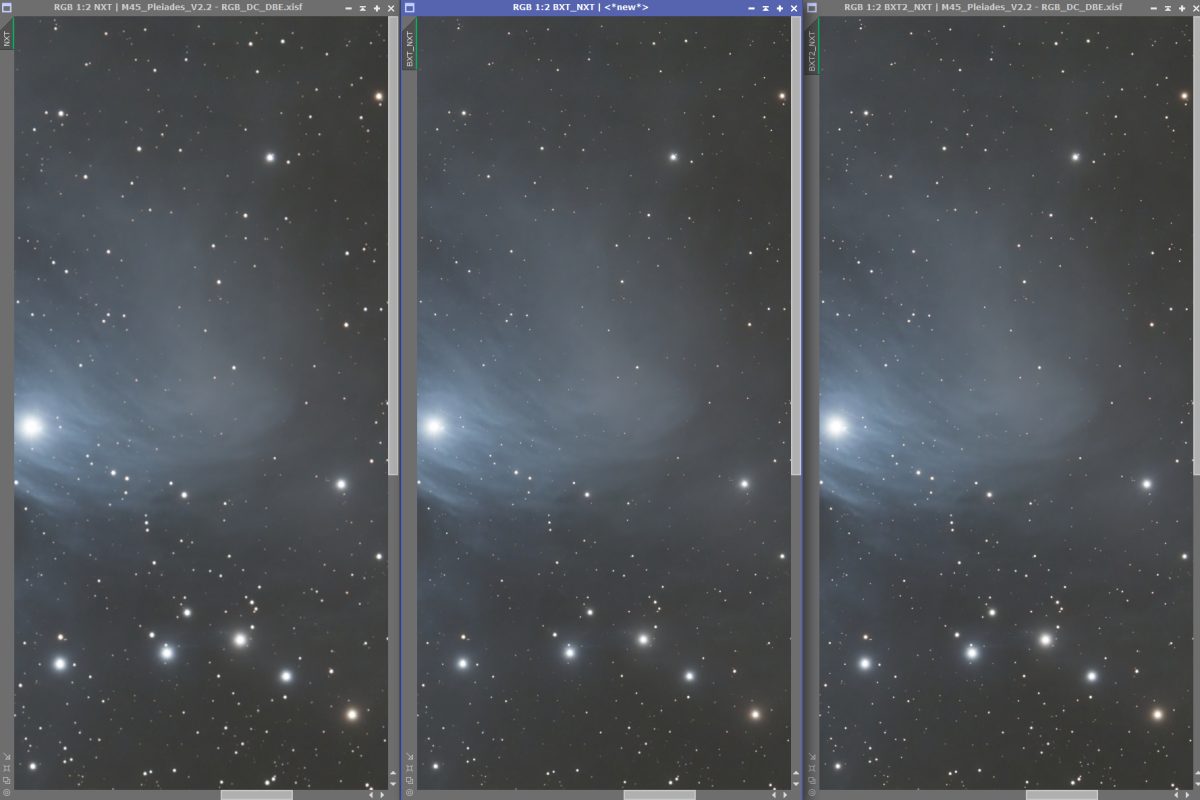
The PixInsight plugin BlurXTerminator V2 was a spontaneous purchase for me. The result seriously surprised me.

My real world requirements-driven purchase and test of the Pegasus Astro Indigo OAG Off Axis Guider.

When should NoiseXTerminator be used, in linear or non-linear state?
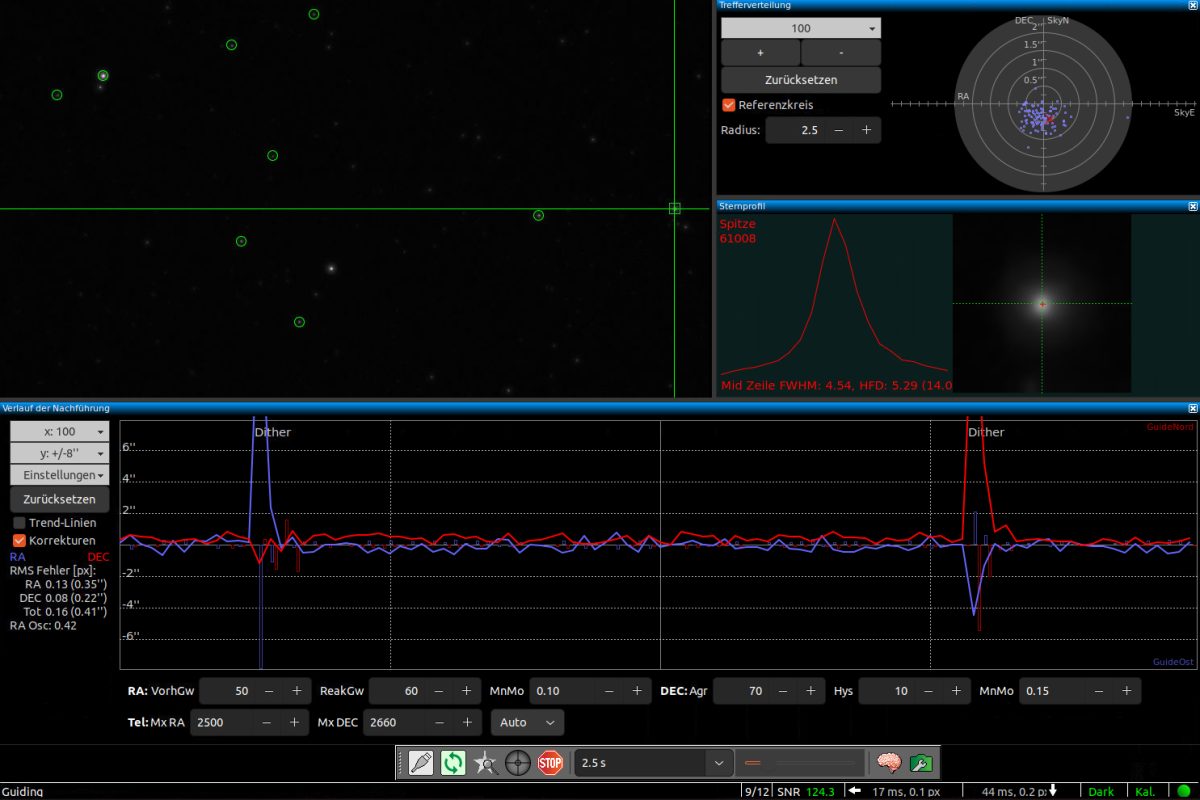
Some starting points for those who are still looking for better guiding (like me) for astrophotography. If you got more good ideas for better guiding, please let me know in the comments.

My 3D printed model to use a TSOAG9 with a Takahashi FS-60CB. It works like a charm and makes a perfect mobile setup.

Star Test with this setup: Takahashi FS-60CB, 1.04 Flattener, APS-C, TS-OAG9, Pegasus Astro Focus Cube and a self-printed Adapter.

Here is what i have chosen as my mobile power supply for Astrophotography.

Is it necessary to use an UV/IR cut filter? If yes, is this something you can really see in your results?
 Mastodon-Feed