PK 164+31.1, better known as the Headphone Nebula, is a very faint planetary nebula in Lynx about 1,600 light-years away; it reaches its annual culmination at astronomical midnight around mid January.

 Astronomy and Astrophotography
PK 164+31.1, better known as the Headphone Nebula, is a very faint planetary nebula in Lynx about 1,600 light-years away; it reaches its annual culmination at astronomical midnight around mid January.
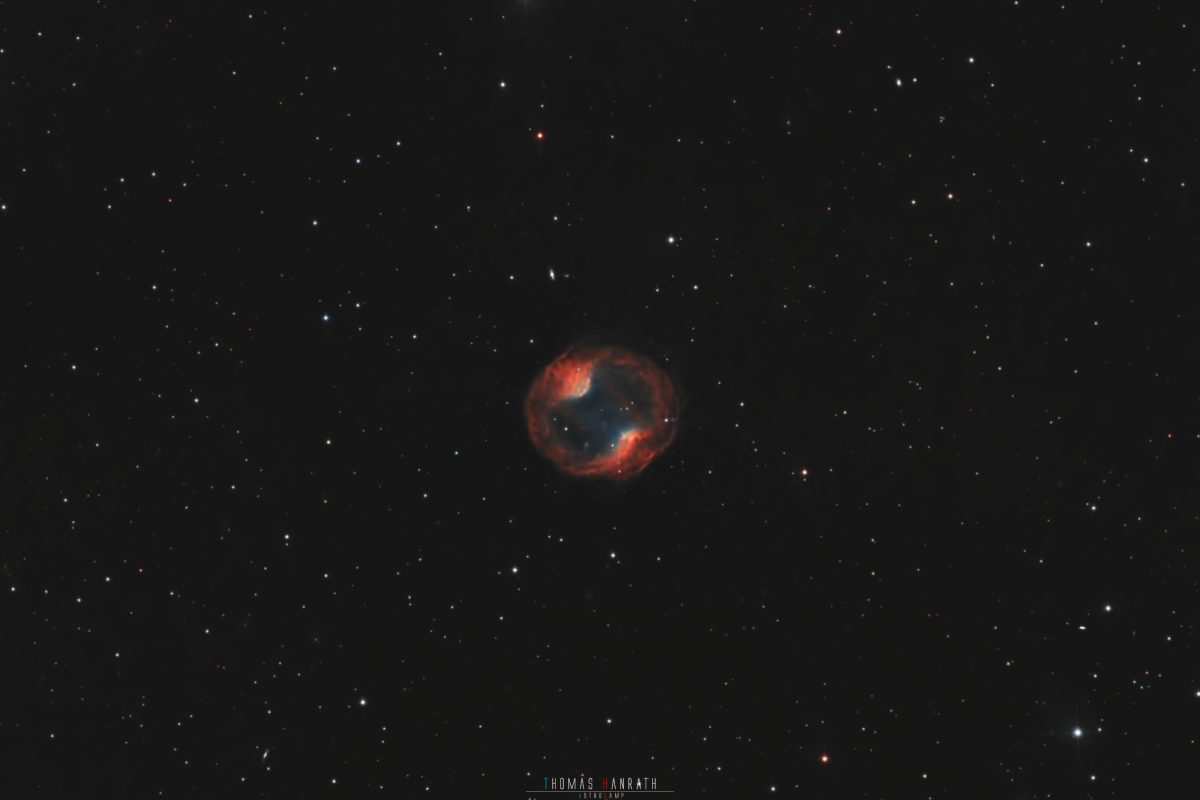
The first of two objects of the night. In fact, the first attempt at a run using new equipment. StellaVita and SkyEye24AC.

Made optimal use of two nights. Quickly refreshed the collimation of the Cassegrain and completed the imaging session without any notable problems.

Sharpless 188 is an unusual planetary nebula located in the constellation Cassiopeia, about 850 light-years from Earth; it reaches its annual culmination at astronomical midnight and is best observed in mid October.

In March, I added luminance data to my OSC Messier 97 image from 2023. I think the result is quite impressive.
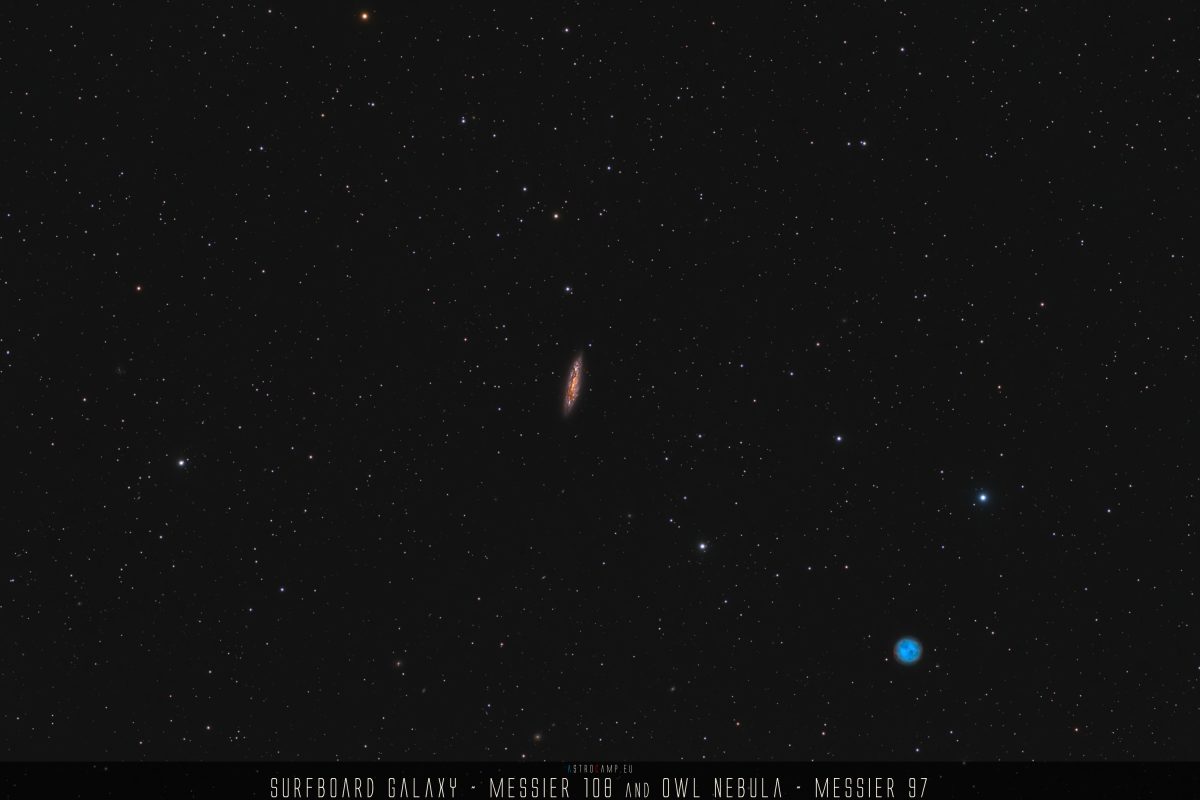
Galaxy season has begun. This year, I’m kicking it off with the Surfboard Galaxy and the Baader Travel Companion.
Messier 97, also known as the Owl Nebula, is a planetary nebula located approximately 2,030 light-years away in the constellation Ursa Major that reaches its annual culmination at astronomical midnight and is best observed around March 8th.
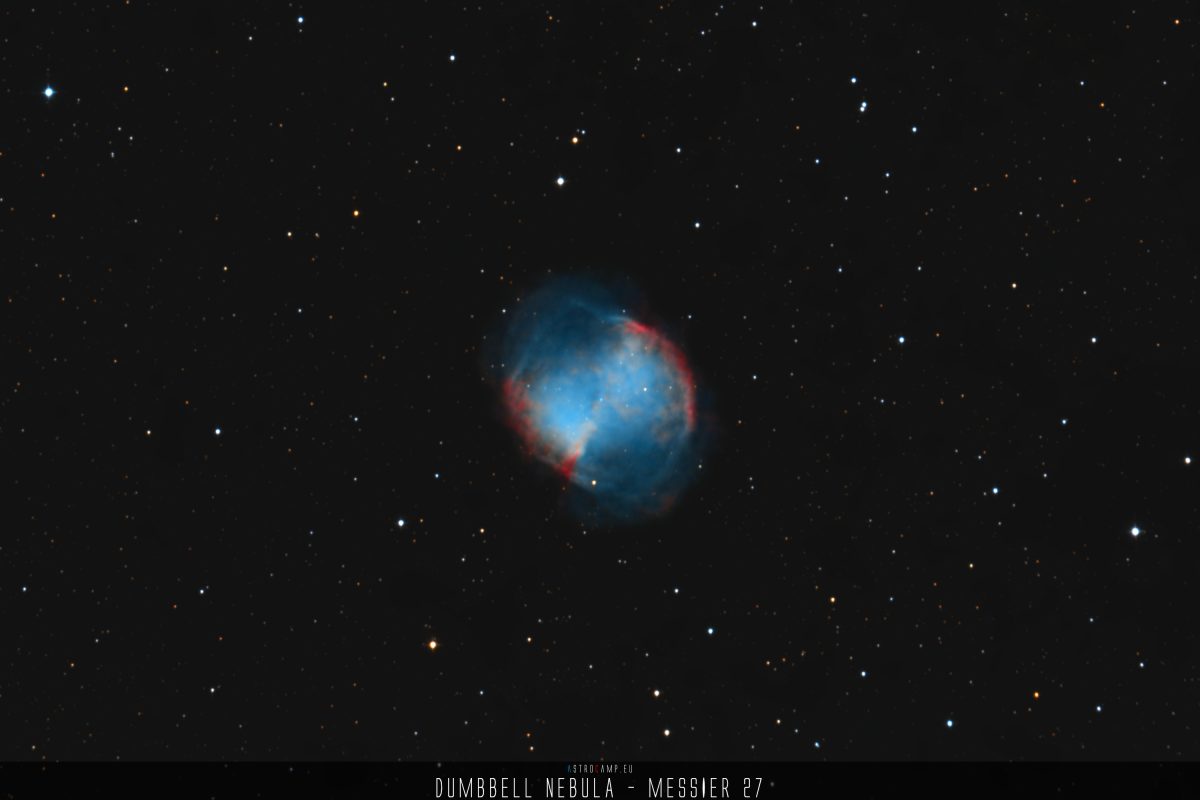
My reprocessed version of the Dumbbell Nebula – Messier 27, data from 09/2022, using my revamped PixInsight Process.
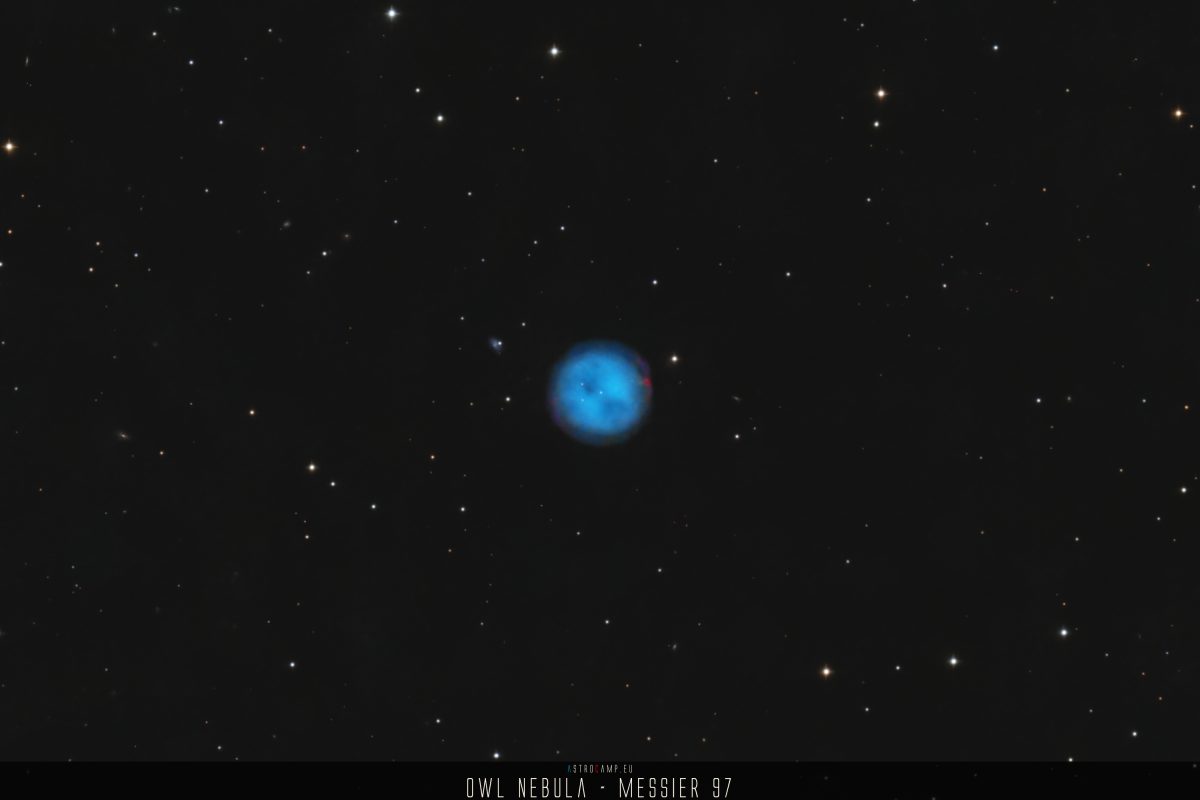
My finished astrophoto of the 2.025 LJ away Owl Nebula M97 in the constellation Ursa Major. Collected some more light and new workflow (2024).
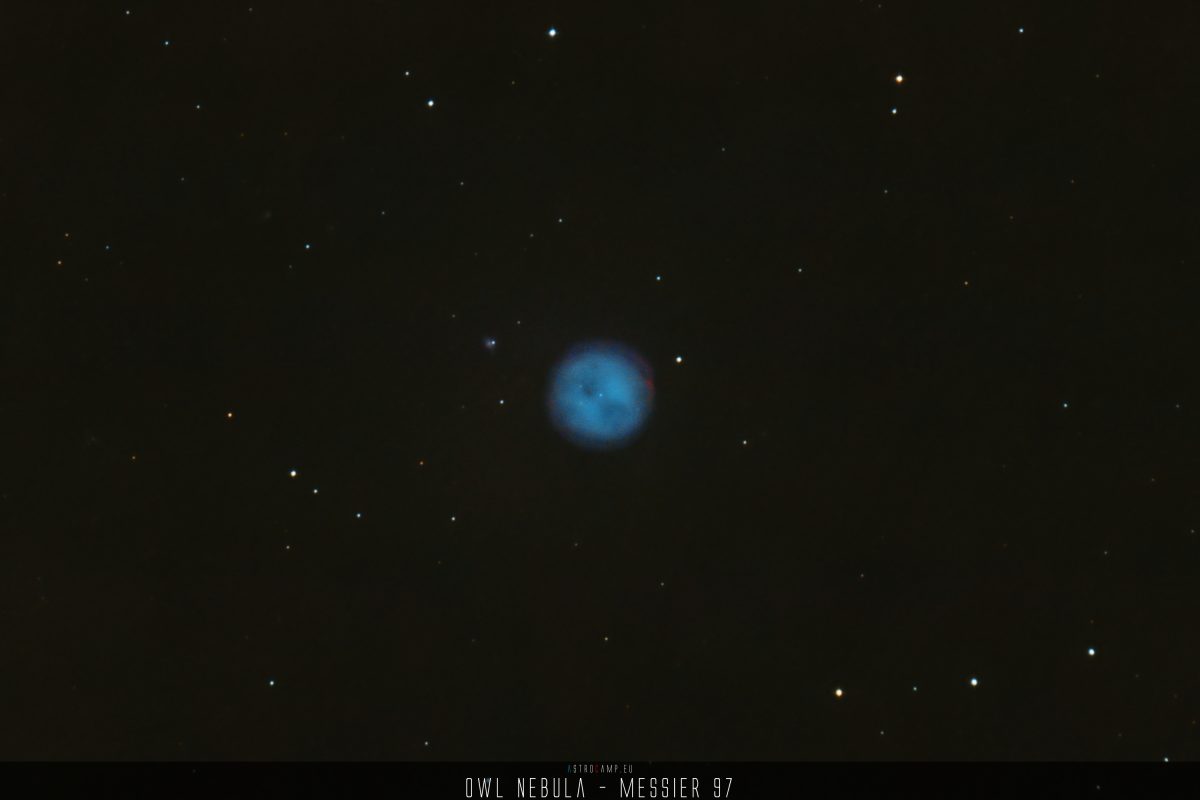
Messier 97 – the first half, about 2 hours, of collected light with my VISAC at 1800mm.