The Fireworks Galaxy and the Open Cluster NGC6939. The result of 4 awesome evenings of integration time.

 Astronomy and Astrophotography
The Fireworks Galaxy and the Open Cluster NGC6939. The result of 4 awesome evenings of integration time.
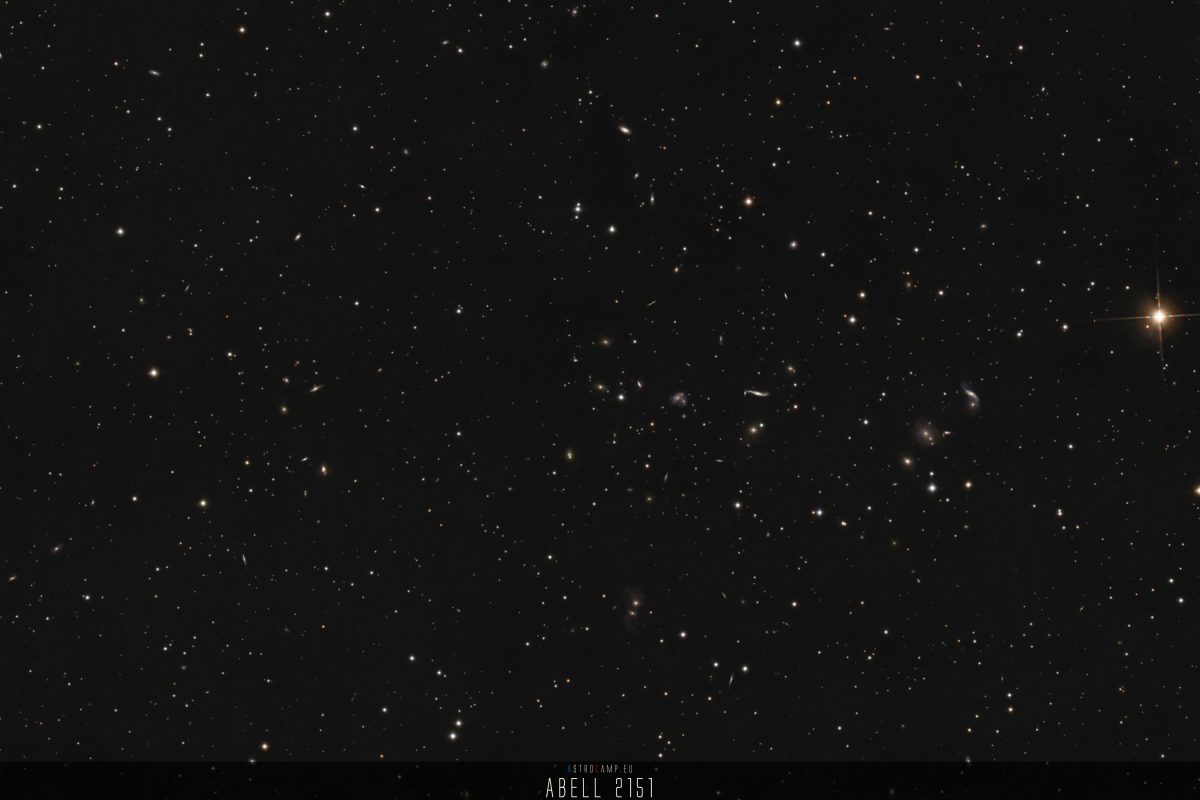
Reprocessed 2024: Now … this reprocessing was really worth it. This one brought more galaxies to light than the one before.
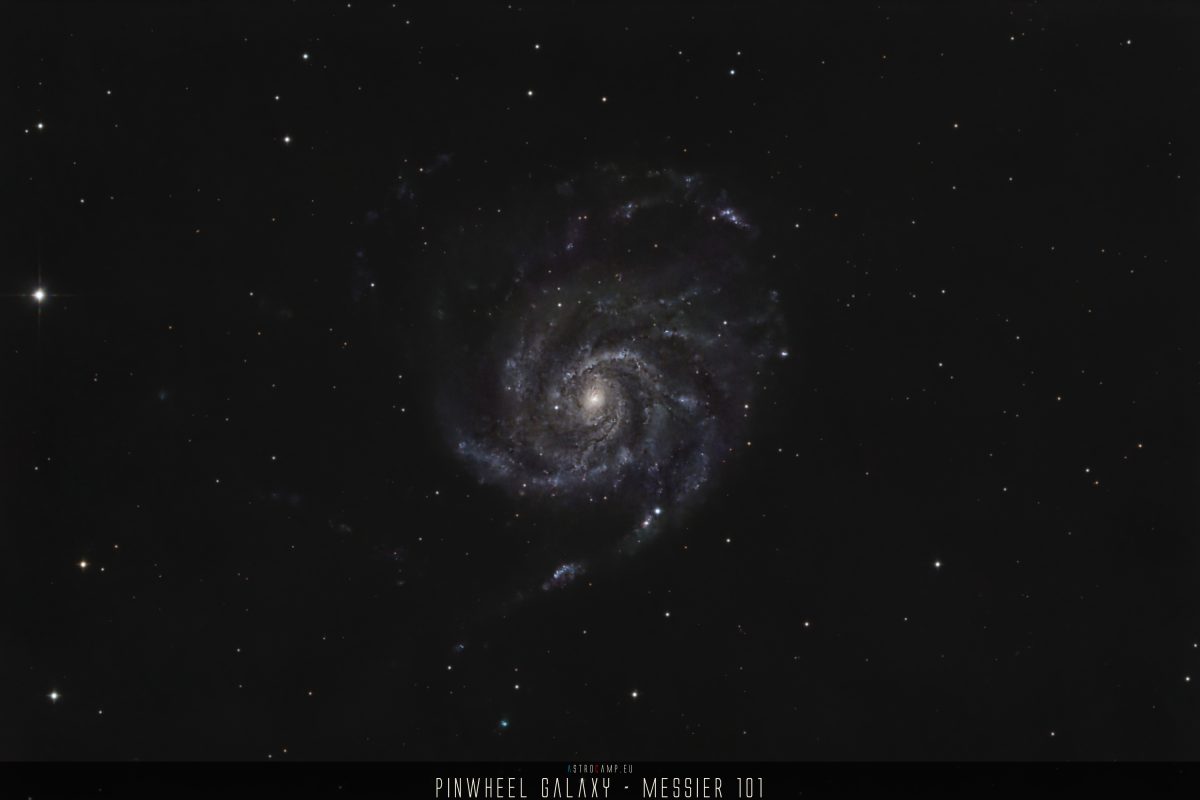
My 2023 photo of the 21.000.000 LJ away Pinwheel Galaxy. Significantly sharper structures and rounder stars. These are the improvements of the new workflow.
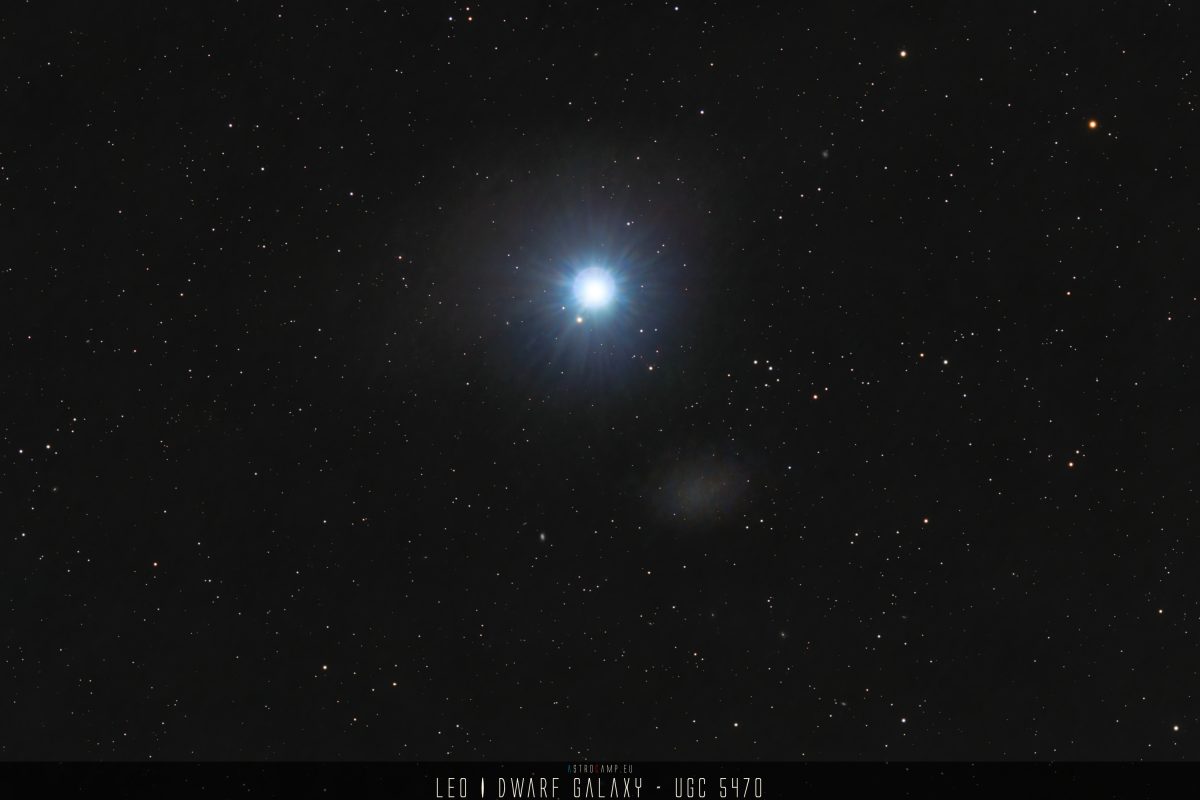
Leo I is a dwarf spheroidal galaxy located in the constellation Leo, approximately 820,000 light-years away from Earth. This galaxy reaches its annual culmination at astronomical midnight in late February.

The Andromeda Galaxy, located in the constellation Andromeda approximately 2.5 million light-years away, is the closest large spiral galaxy to the Milky Way and reaches its annual culmination at astronomical midnight in early October.
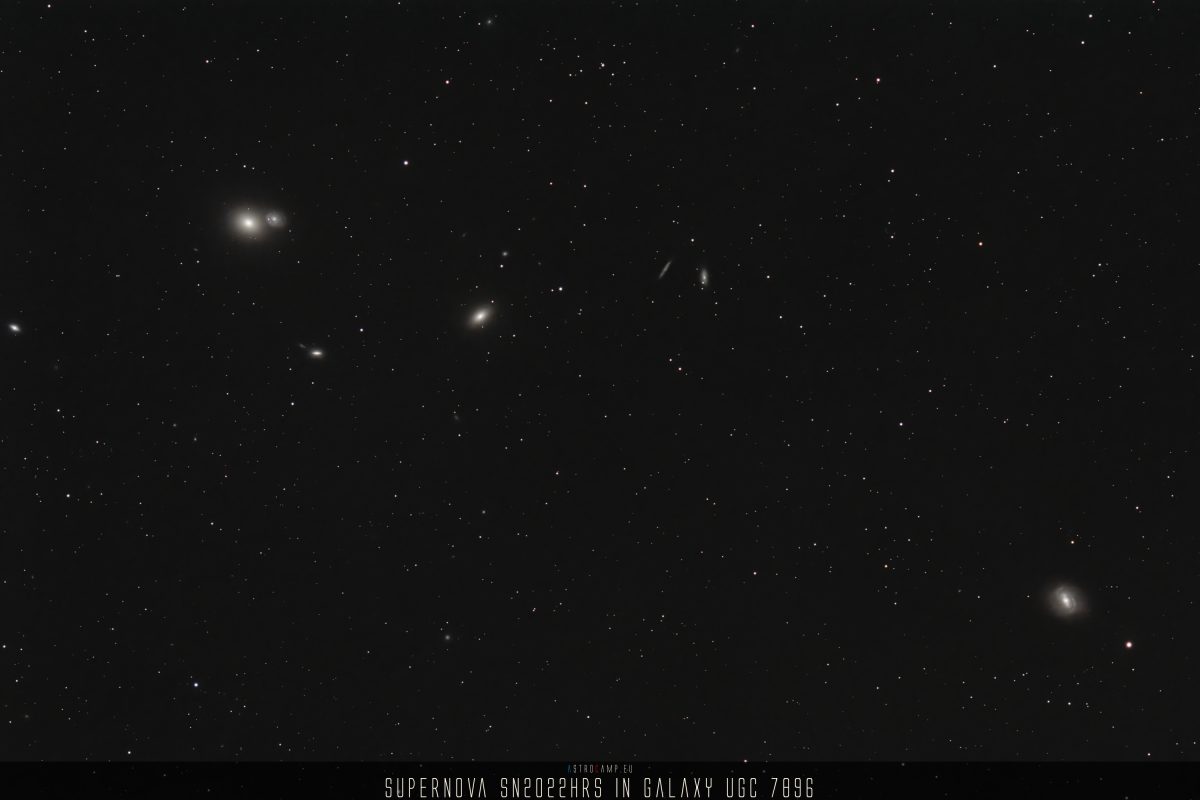
Even this very special astrophoto looks better with the new workflow in 2024.

The 2024 workflow on the nicely framed Bodes-, Cigar- and Garland-Galaxy picture from 2022. The details are much clearer, especially on the Cigar Galaxy.
Rarely has the new workflow made such a difference. The small companion of the Milky Way, the dwarf galaxy Leo I. Barely visible next to the star Regulus, also known by the beautiful designation BD +12° 2149, according to the Bonner Durchmusterung.
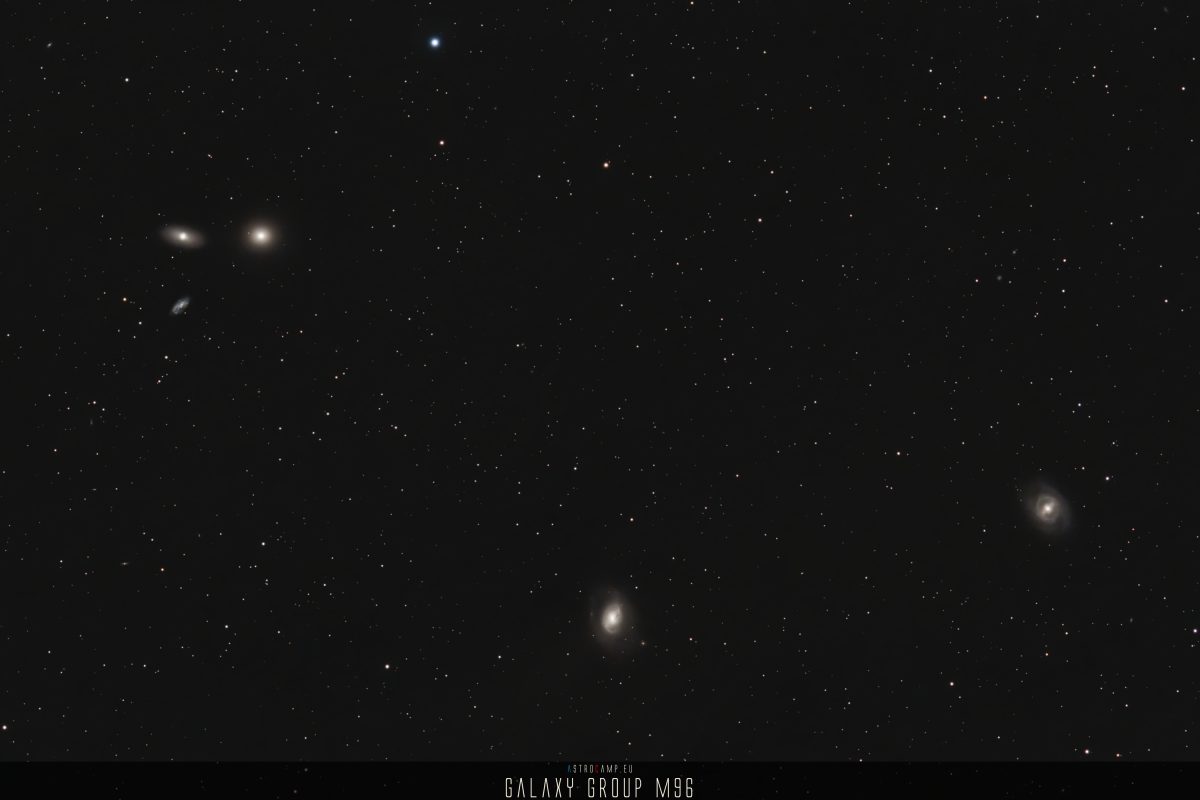
A group of 5 galaxies. The frames were shot with an EOS M100(a) at a 600mm refractor telescope in march 2022. Reprocessed 01/2024.

I just re-processed my November-Data. My first Galaxy-Photo with DSLR OSC with H-Alpha Layer.