Sharpless 236, also known as IC 410 or the Tadpole Nebula, is an emission nebula located in the constellation Auriga, approximately 2185 light-years away from Earth, reaching its annual culmination at astronomical midnight mid. December.

 Astronomy and Astrophotography
Sharpless 236, also known as IC 410 or the Tadpole Nebula, is an emission nebula located in the constellation Auriga, approximately 2185 light-years away from Earth, reaching its annual culmination at astronomical midnight mid. December.

I photographed the Elephant’s Trunk Nebula again, achieving an enhanced image with better equipment and longer exposure time across four sessions.
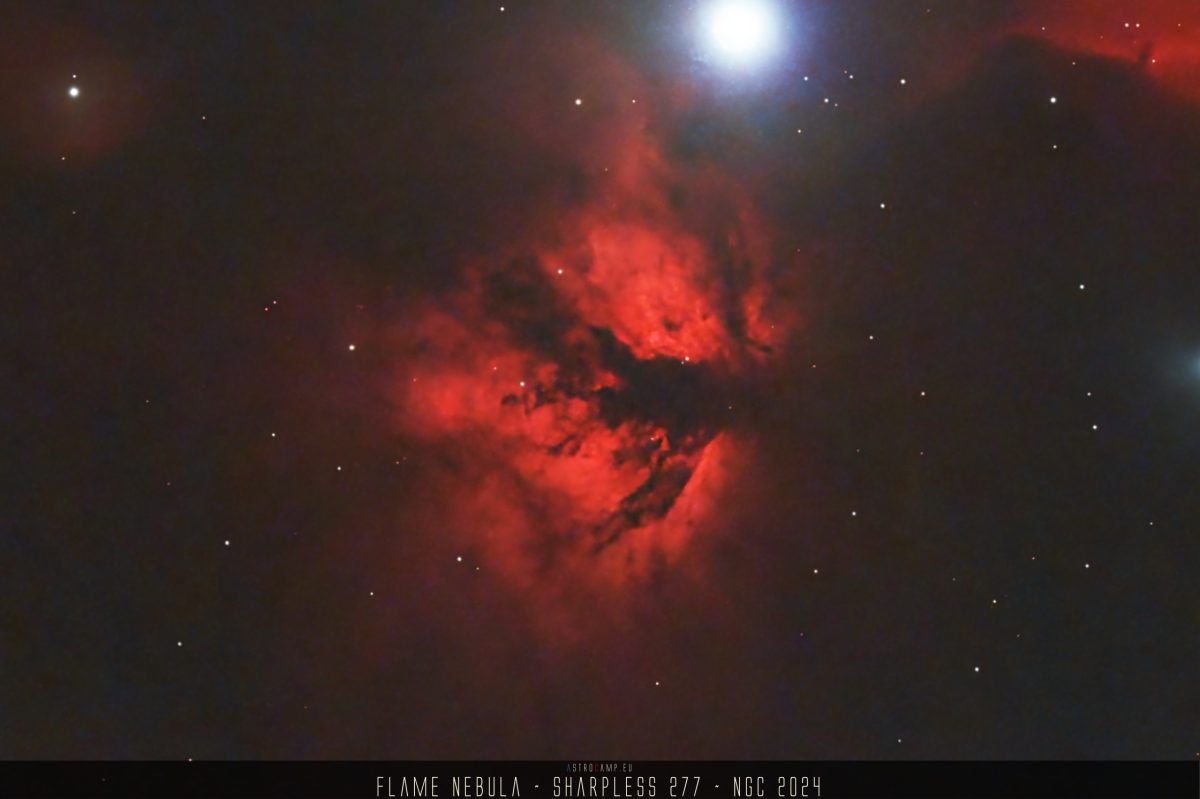
The Flame Nebula is a bright emission nebula located in the constellation Orion, approximately 900-1,500 light-years away from Earth. It reaches its annual culmination at astronomical midnight mid December.
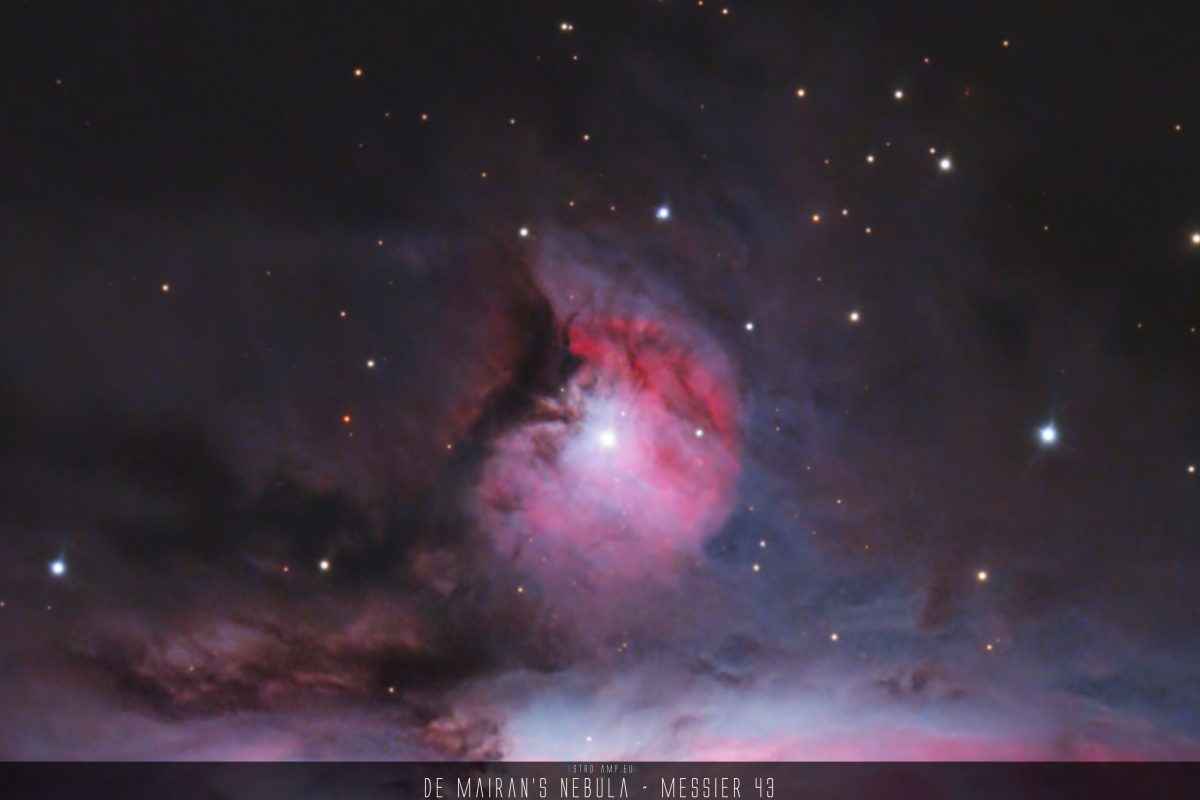
Messier 43, located in the Orion constellation, is approximately 1,300 light-years away and reaches its annual culmination at astronomical midnight around mid-December.

The Wizard Nebula is an emission nebula located in the constellation Cepheus, approximately 5545 light-years from Earth. It reaches its annual culmination at astronomical midnight in early September.

is a visually stunning emission nebula, located in the constellation Serpens, about 7,000 light-years from Earth. It includes the famous Pillars of Creation and reaches its annual culmination at astronomical midnight, making it best observed in late June.
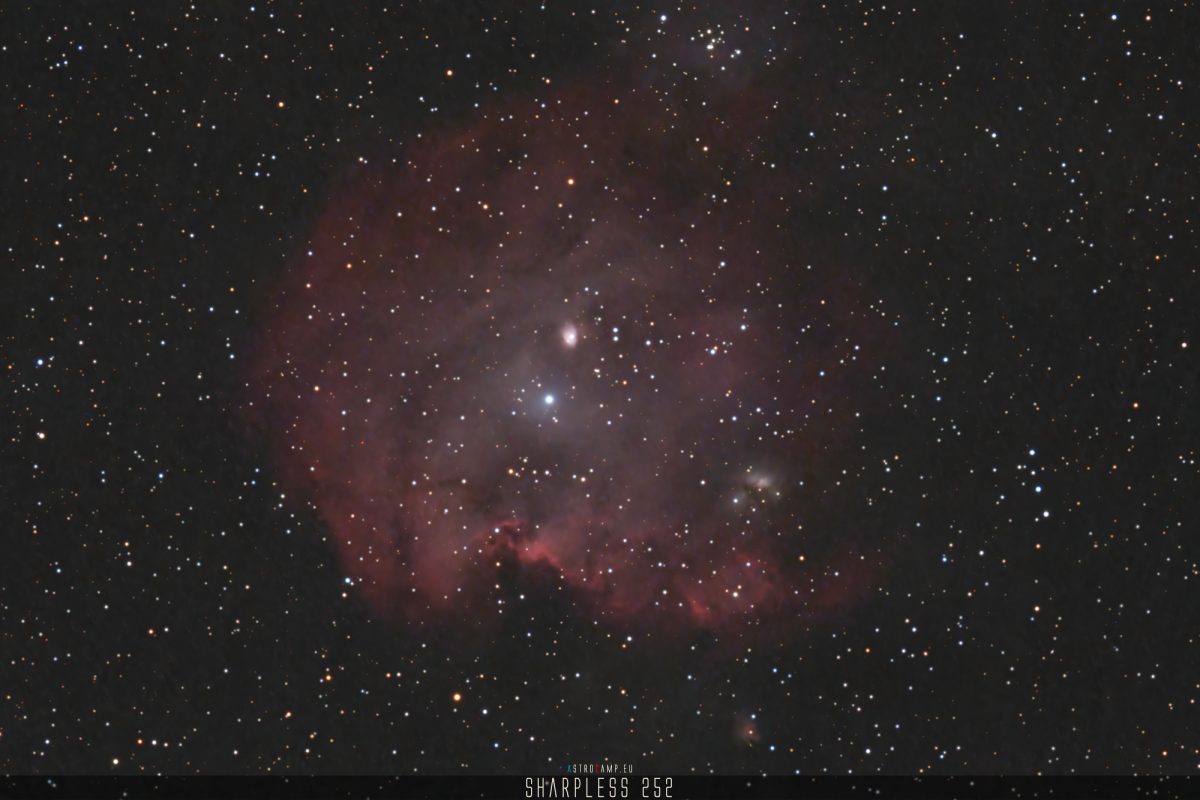
The Monkey Head Nebula is an emission nebula located in the constellation Orion, approximately 3,200 light-years away from Earth, reaching its annual culmination at astronomical midnight at the end of December.

The Rosette Nebula is a large emission nebula located in the constellation Monoceros, approximately 5,219 light-years away from Earth, reaching its annual culmination at astronomical midnight at the end of December.

The Wizard Nebula or Harry Potter Nebula. 8h35′ exposure time with my Baader Travel Companion.

Reflection nebula embedded in HII. The newly processed data from my first astrophoto taken with my Baader 95/580 CaF2 Travel Companion APO in 2023.