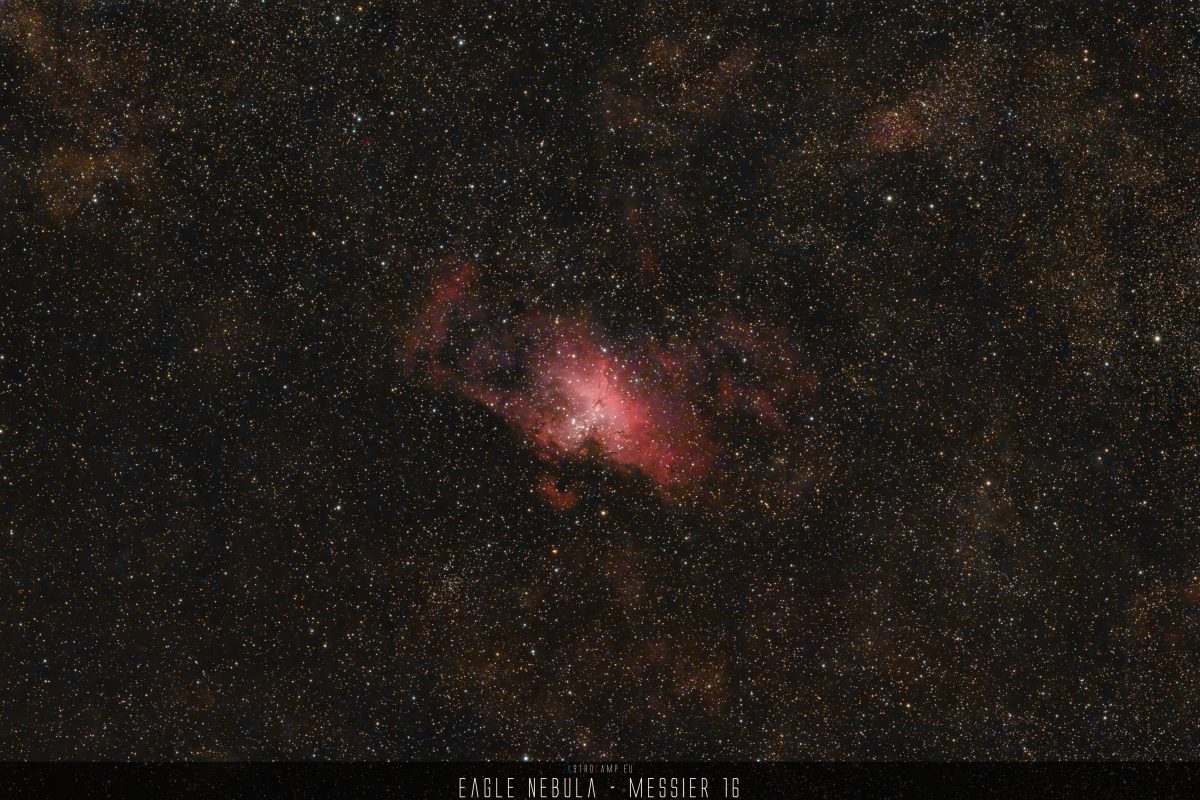
Reprocessed 2024: My 2023 and 1st try ever of the 7000 LJ away nebula in the constellation serpens. And my only real Astrophoto with my Takahashi FS-60CB.
 Astronomy and Astrophotography
Reprocessed 2024: My 2023 and 1st try ever of the 7000 LJ away nebula in the constellation serpens. And my only real Astrophoto with my Takahashi FS-60CB.

Sh2-131, also known as the Elephant’s Trunk Nebula, is a dark globule and star-forming region located in the constellation Cepheus, approximately 2,400 light-years away from Earth, reaching its annual culmination at astronomical midnight and is best observed mid August.
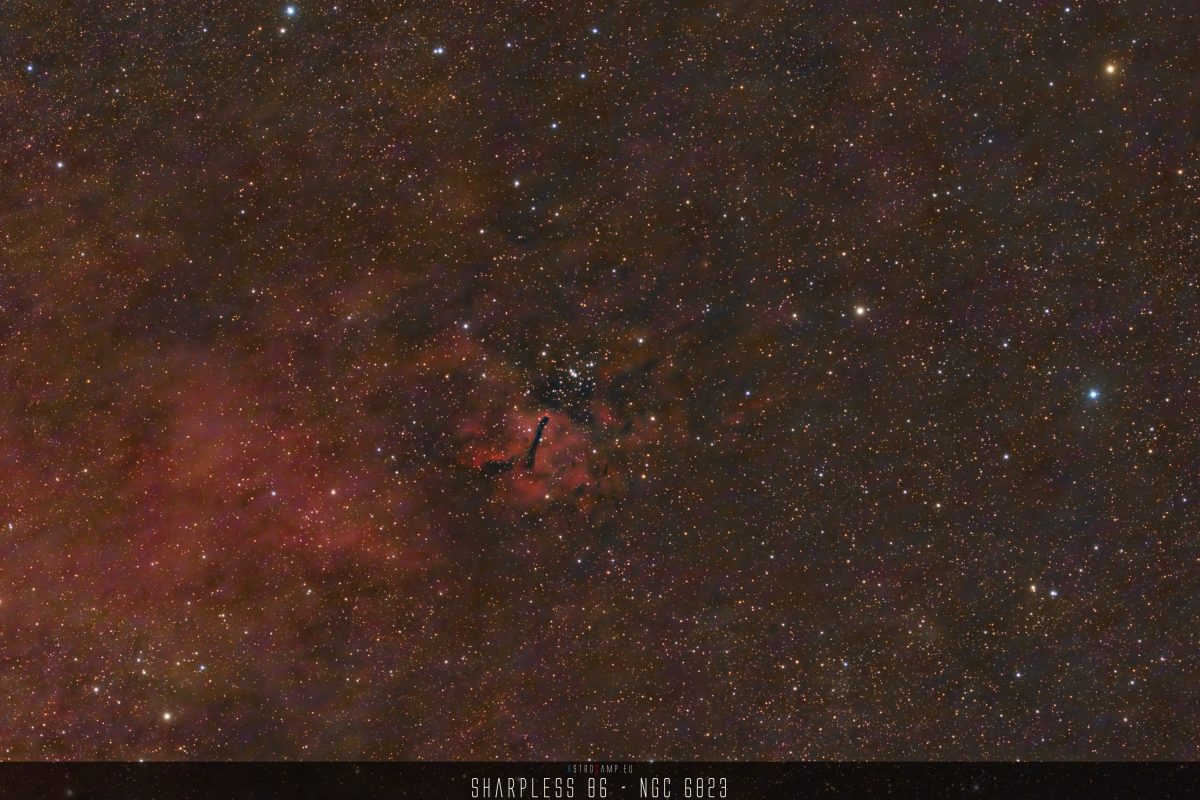
Sharpless 86 is a large emission nebula located in the constellation Vulpecula at a distance of about 6,000 light-years; it reaches its annual culmination at astronomical midnight in mid-July and is best observed during summer months.

The Pelican Nebula, located in the constellation Cygnus, is approximately 1,800 light-years away from Earth and reaches its annual culmination at astronomical midnight early August.
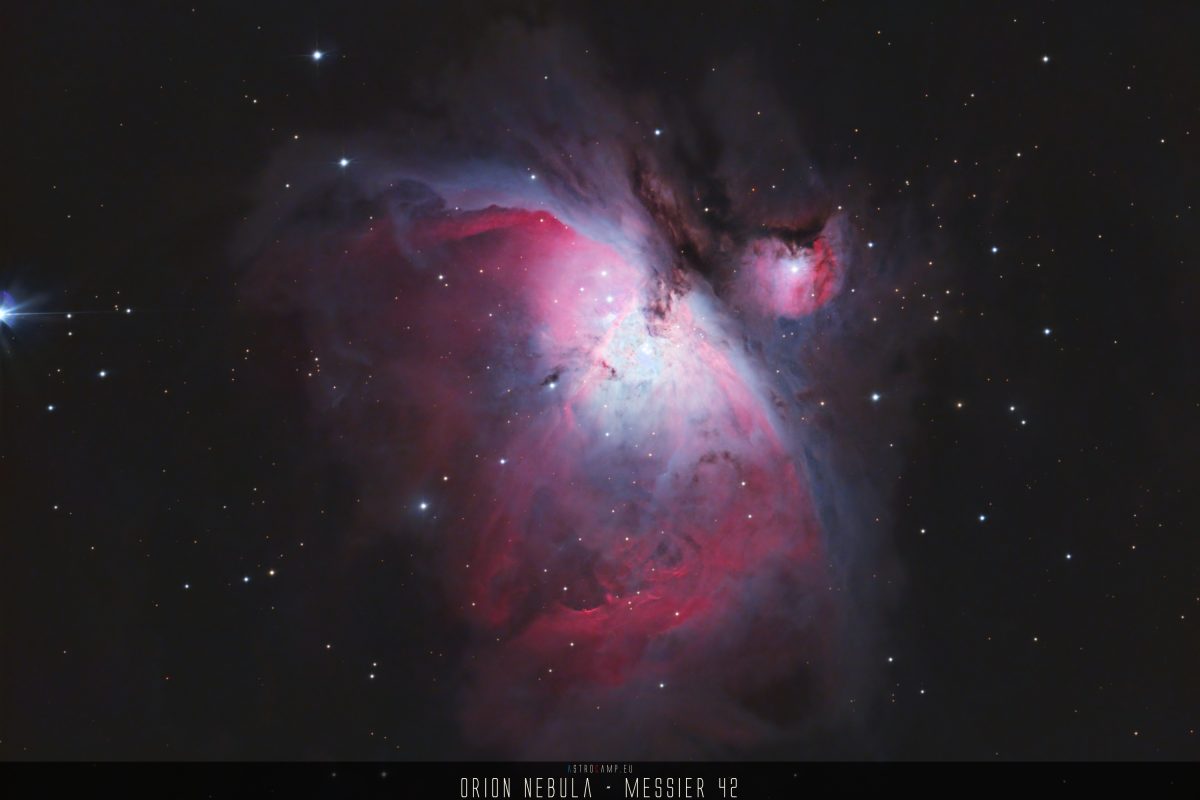
The Orion Nebula is a bright diffuse nebula located in the constellation Orion, approximately 1,344 light-years away from Earth, and reaches its annual culmination at astronomical midnight mid December.
In my new workflow, even the trapezium comes to light. I’ve added more color to my 2024 version of the picture.
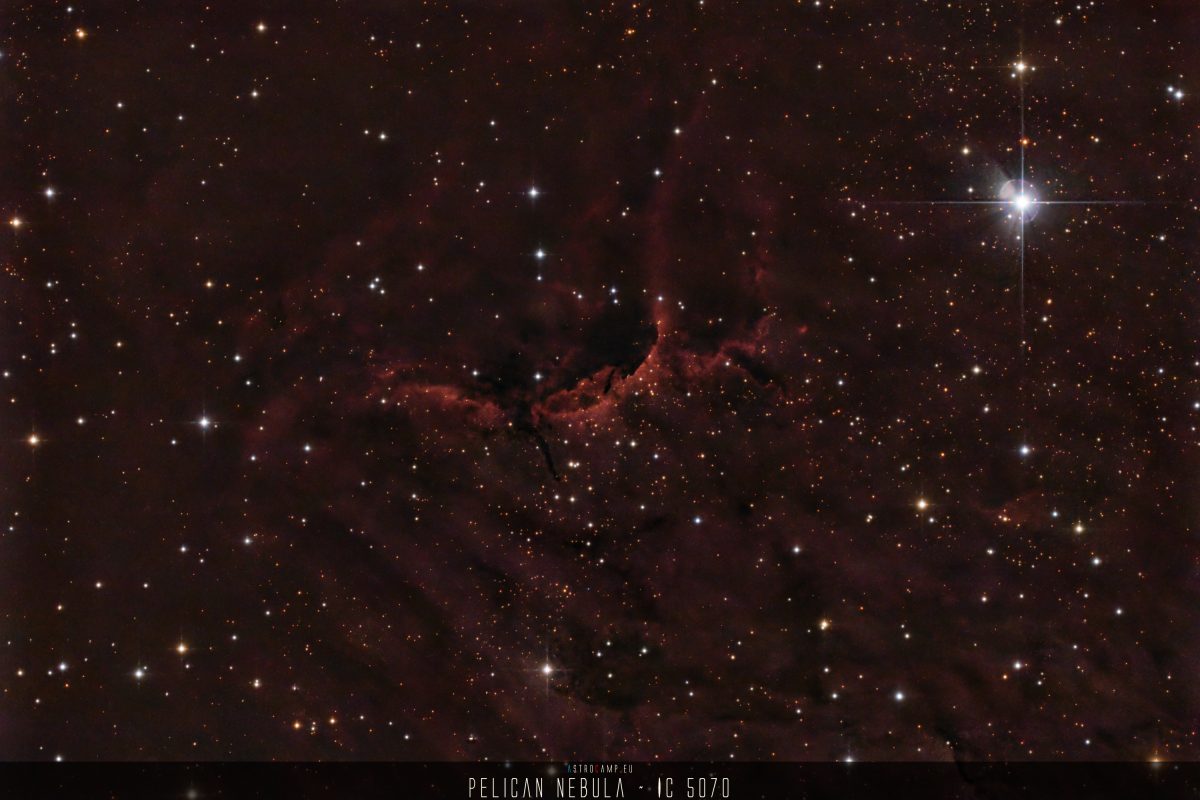
While reprocessing all my “old” material, this is the first picture I took with my Vixen VC200L. The difference is hard to believe.

A short evening with a result, but it could use at least double the exposure time.
The new workflow shows his power also on duo-narrowband material.
The picture combines HA/OIII nebula with RGB stars.
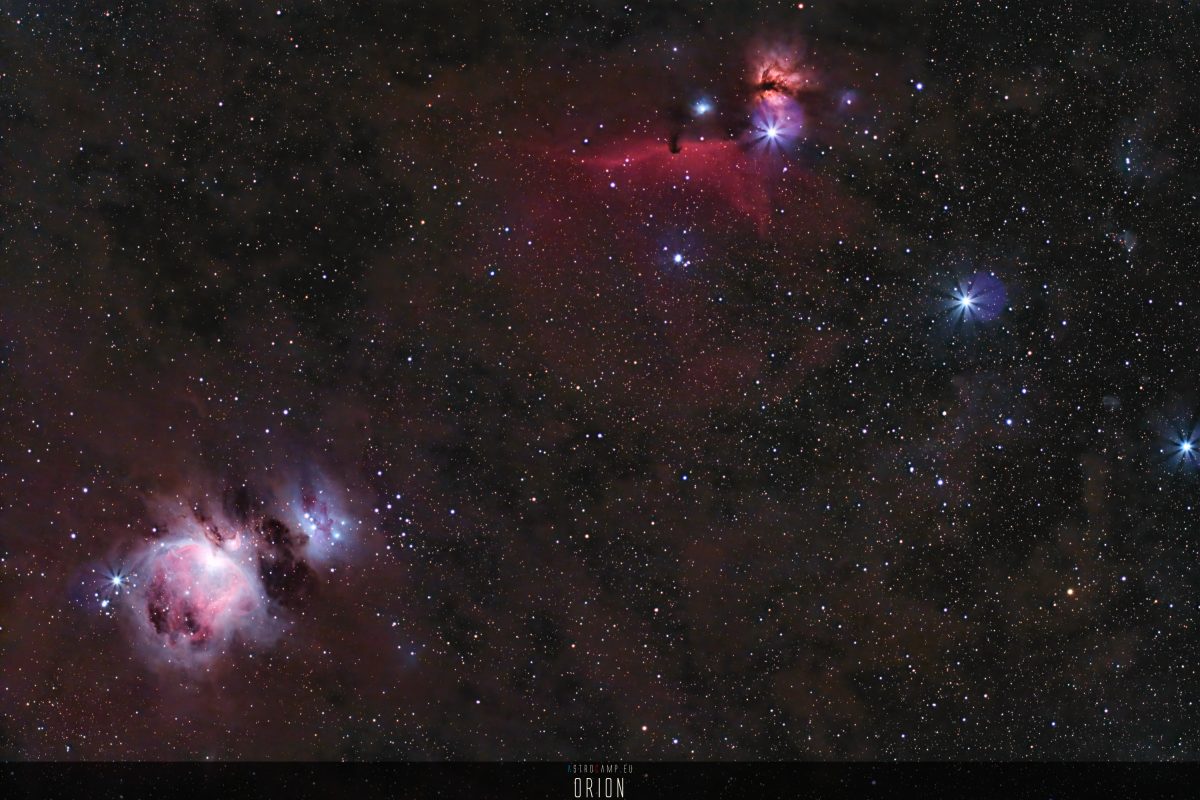
Legacy Lens from the 1970th meets my new workflow in 2024. The reprocessed version of the Orion region.