Sh2-152 is an emission nebula in the constellation Cassiopeia, located about 9,460 light-years away, and reaches its annual culmination at astronomical midnight and is best observed early September.

 Astrocamp – Astrophotography & Deep-Sky Catalog
Sh2-152 is an emission nebula in the constellation Cassiopeia, located about 9,460 light-years away, and reaches its annual culmination at astronomical midnight and is best observed early September.
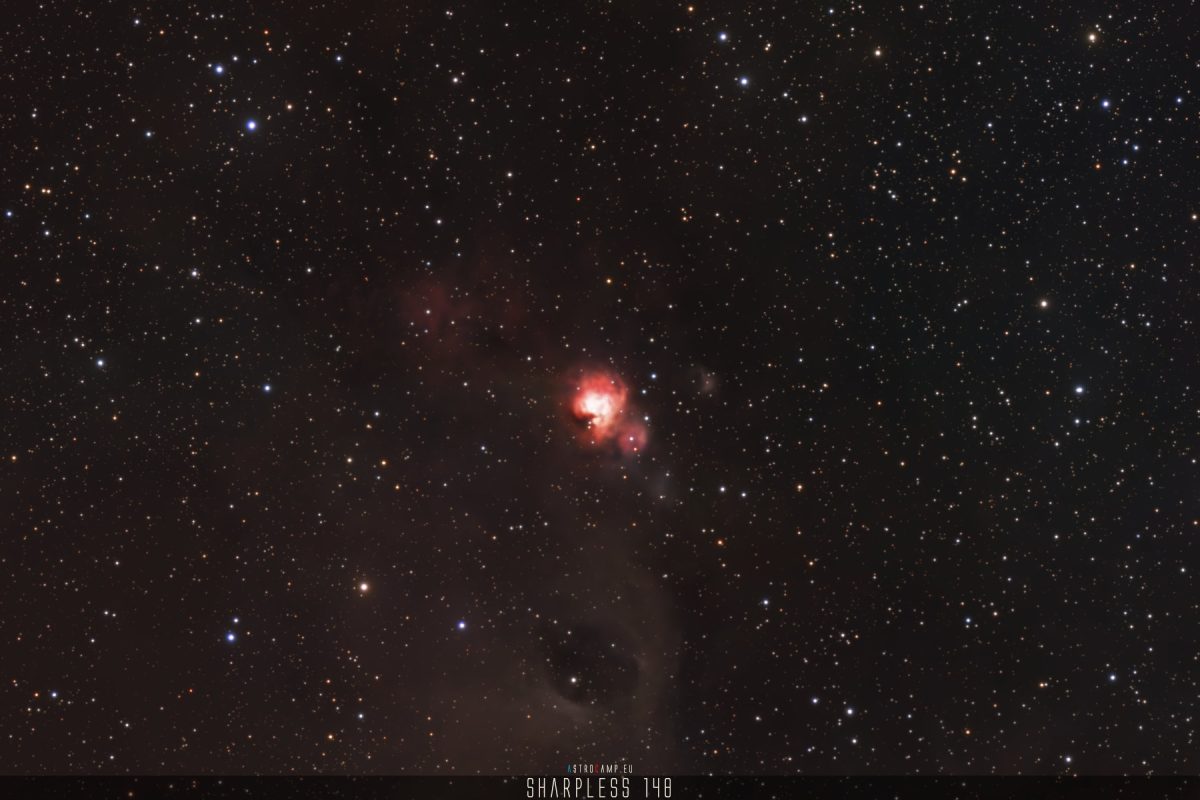
Sh2-148 is an emission nebula in the constellation Cepheus, located about 18,900 light-years from Earth, and reaches its annual culmination at astronomical midnight and is best observed early September.

My first try with the Foraxx palette. North America Nebula (C 20) in Foraxx palette: 3 nights in July 2026, 6 h 15 min with the Baader Travel Companion.

The North America Nebula is a stellar region in the constellation Cygnus about 1,890 light-years away that reaches its annual culmination at astronomical midnight and is best observed early August.
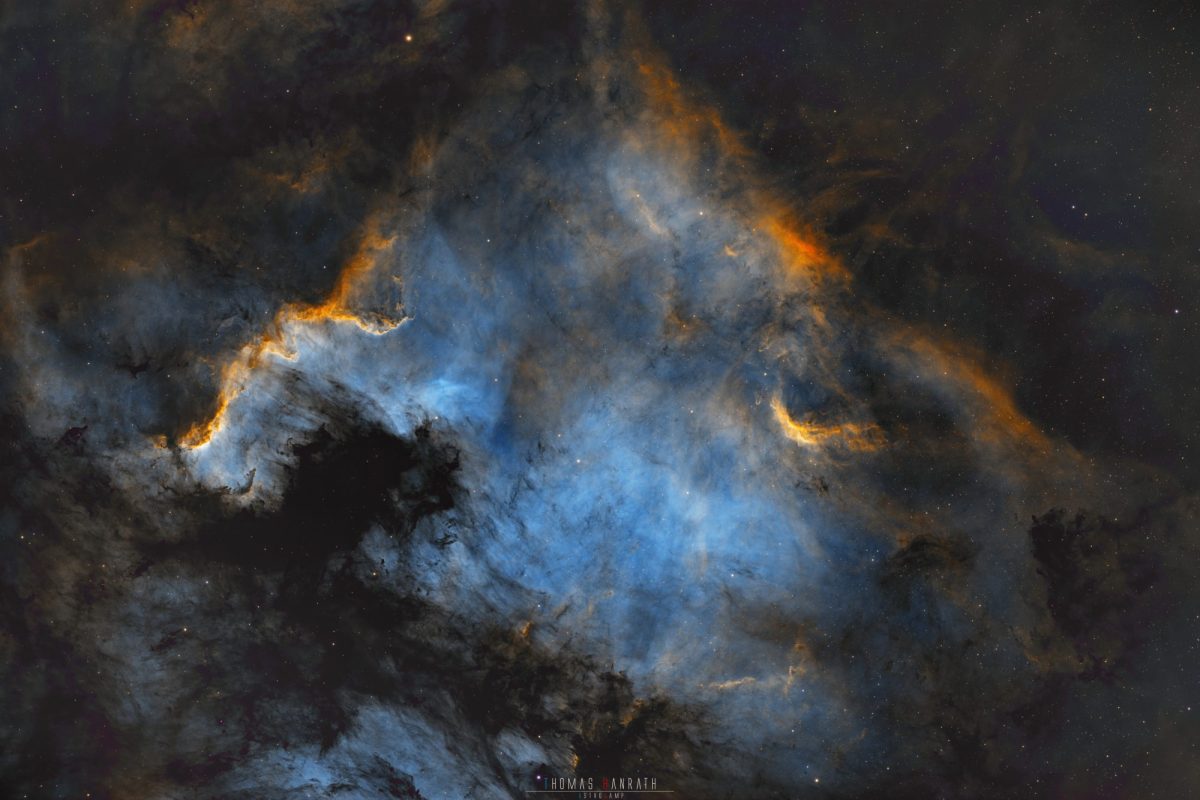
The first light of my ultra narrowband filter set. North America Nebula (C20) in Hubble palette: 3 nights in July 2026, 6 h 15 min with the BTC95. Location: Koblenz, Asterstein.

The Crescent Nebula is an emission nebula in the constellation Cygnus, located about 6,700 light-years away, and reaches its annual culmination at astronomical midnight and is best observed late July.

One of three objects in a thoroughly successful week: the Crescent Nebula, NGC 6888.

I photographed the Rosette Nebula again after five years. Several attempts, incorrect framing, discarded color channels, and unfavorable lighting conditions turned the project into an adventure.

41 hours of exposure over 14 nights – my most demanding astrophotography project yet: Sh2-119 in Cygnus.

LBN 728 is an emission nebula located in the constellation Ursa Major and reaches its annual culmination at astronomical midnight and is best observed late January.