Venus is one of the most striking targets in planetary astrophotography and can be seen as either the Morning Star or the Evening Star, depending on its position in its orbit.

 Astrocamp – Deep-Sky Objects, Catalogs & Astrophotography
Venus is one of the most striking targets in planetary astrophotography and can be seen as either the Morning Star or the Evening Star, depending on its position in its orbit.

Mars is a fascinating target for astrophotography, revealing surface features, polar caps and atmospheric details under favorable conditions. With a long focal length, video capture and lucky imaging, thousands of individual frames can be combined to produce remarkably detailed images of the Red Planet.
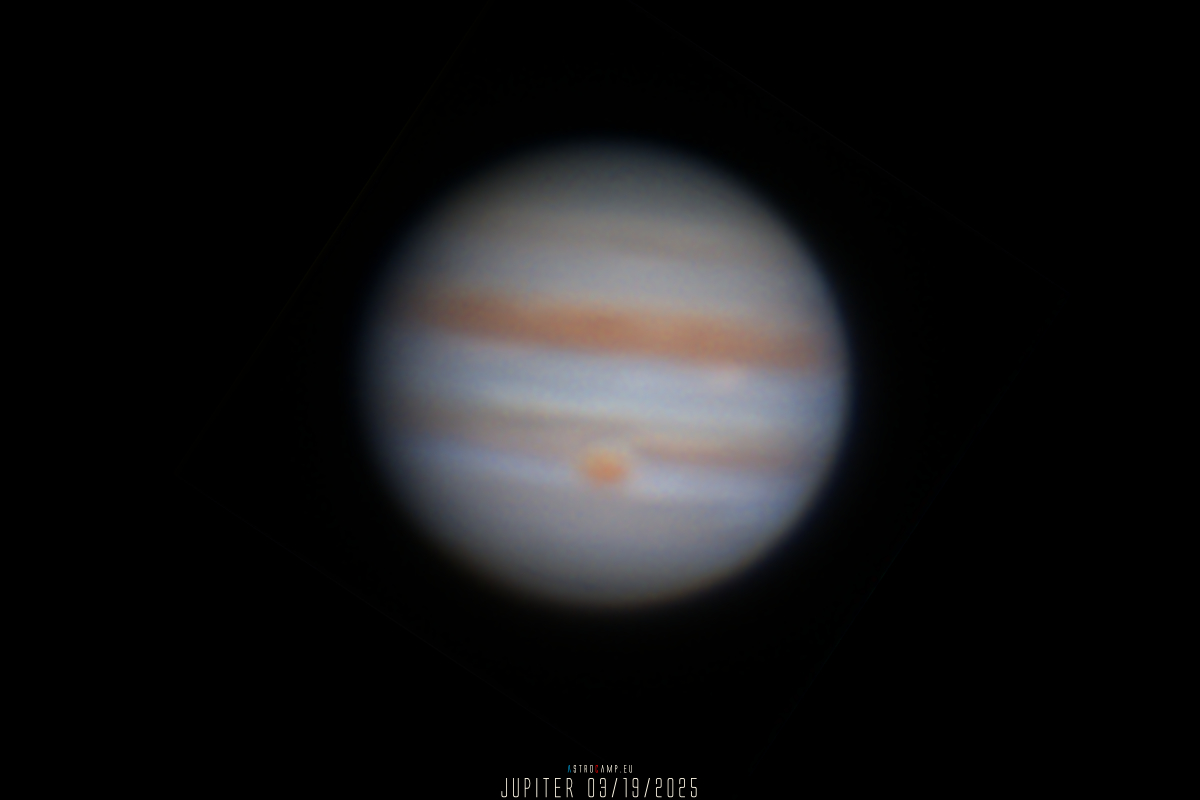
Jupiter is fascinating not only because of its impressive atmosphere, but also because of its four large Galilean moons. Io, Europa, Ganymede and Callisto appear as tiny points of light around the planet and constantly change their positions from night to night.

Saturn is one of the most distinctive targets in planetary astrophotography. Its characteristic ring system makes it an extraordinary subject.
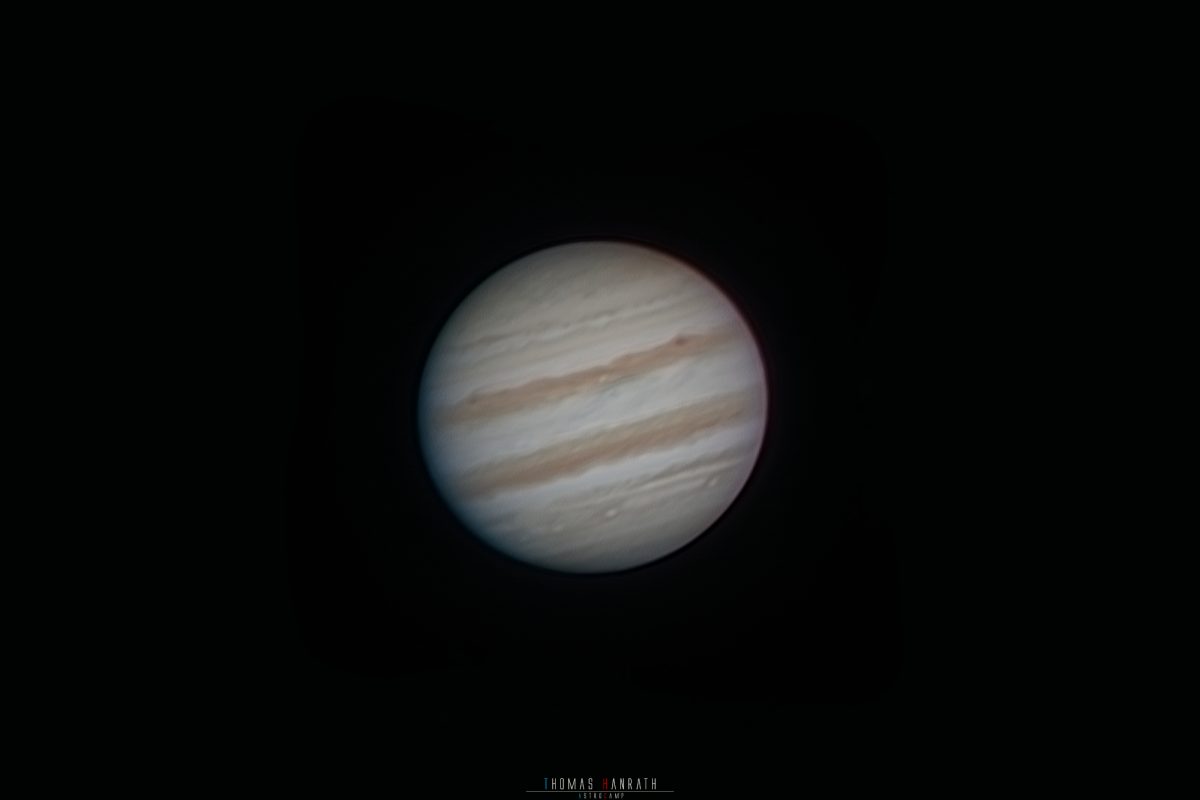
3000 frames at the 1m telescope at Hoher List – my best planet shot yet.
Jupiter time! It was the perfect opportunity to attach my planetary camera to the telescope in Tower 1 at Hoher List.

Planet time! It was the perfect opportunity to attach my planetary camera to the telescope in Tower 1 at Hoher List.

Astrophoto with legacy lens. One year after collecting the data the processing finally worked. This material was one of the hardest to process, yet.

While waiting for Jupiter and the Moon there was still Saturn. This was the last Saturn for this year.

Too much Moon leads me to planetory imaging … here my Jupiter. One month before opposition.