Across 5 sessions during an unusually long stretch of good weather, the new cooled system (UHC filter plus first light of the ultra-narrowband H-alpha filter) produced my deepest and highest-quality image of Messier 101 to date.

 Astronomy and Astrophotography
Across 5 sessions during an unusually long stretch of good weather, the new cooled system (UHC filter plus first light of the ultra-narrowband H-alpha filter) produced my deepest and highest-quality image of Messier 101 to date.

On the edge of the final adjustments to my camera, this image was created.

StellaVita and SkyEye24AC First Light/Night part 2.

PK 164+31.1, better known as the Headphone Nebula, is a very faint planetary nebula in Lynx about 1,600 light-years away; it reaches its annual culmination at astronomical midnight around mid January.
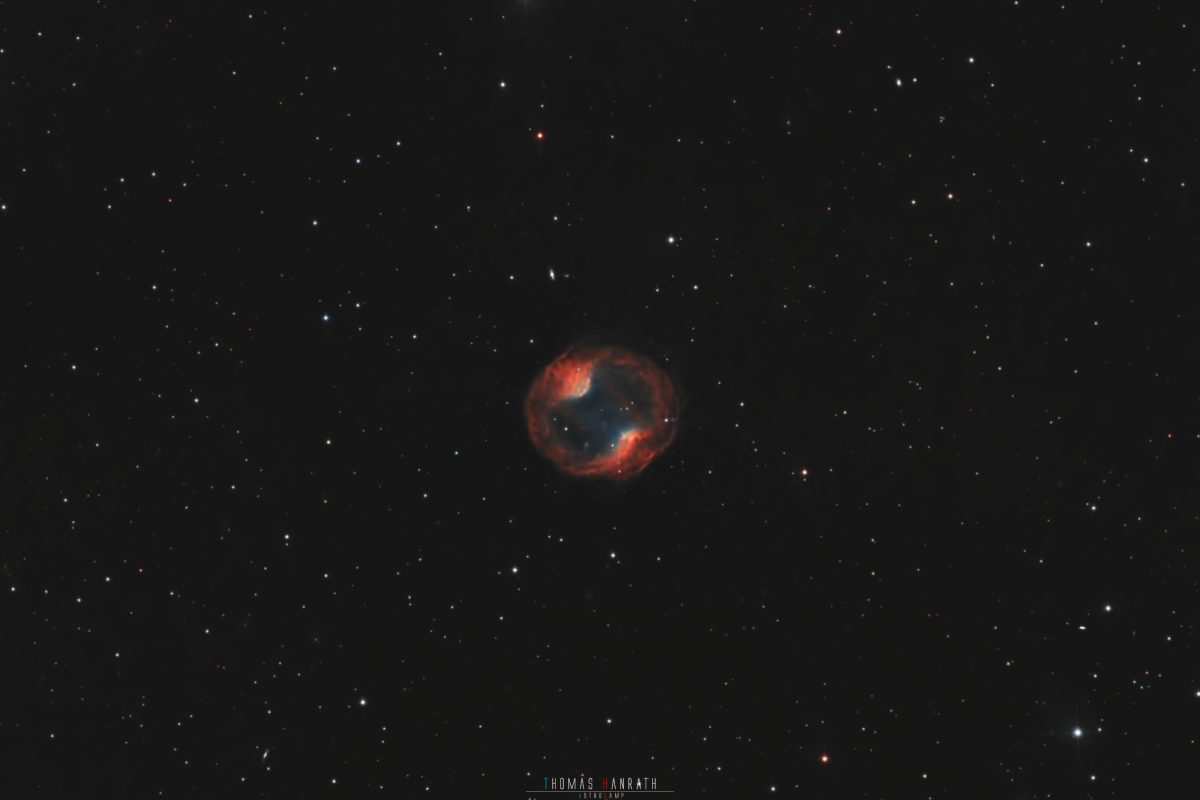
The first of two objects of the night. In fact, the first attempt at a run using new equipment. StellaVita and SkyEye24AC.

First light for my Touptek SkyEye24AC and initial functionality test of the Touptek StellaVita.

The last photo before I officially kick off the new galaxy season and switch telescope (and camera).
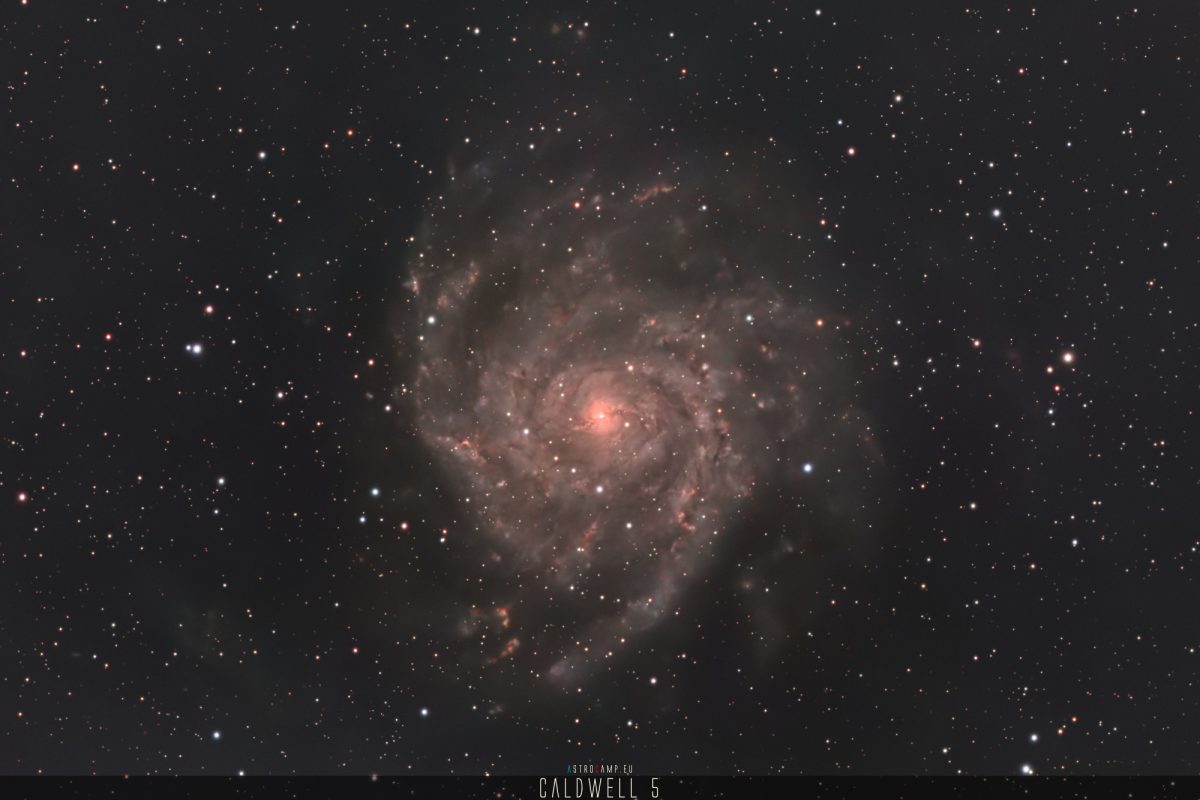
Caldwell 5, also known as IC 342 or the Hidden Galaxy, is a nearly face-on spiral galaxy in Camelopardalis about 10.7 million light-years away that reaches its annual culmination at astronomical midnight and is best observed around late November.
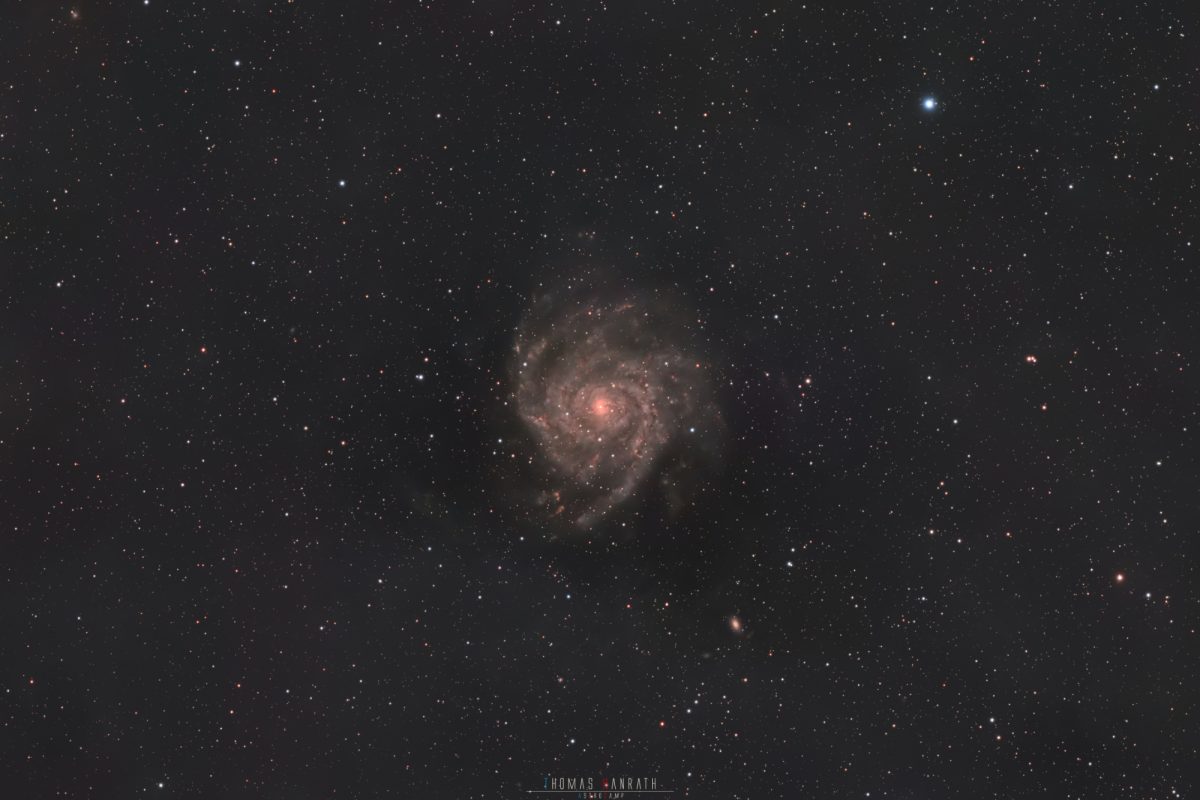
The last color astrophotograph taken with my Canon EOS R?

Caldwell 3 (NGC 4236) is a faint barred spiral galaxy in the constellation Draco about 17 million light-years away that reaches its annual culmination at astronomical midnight and is best observed around late March.