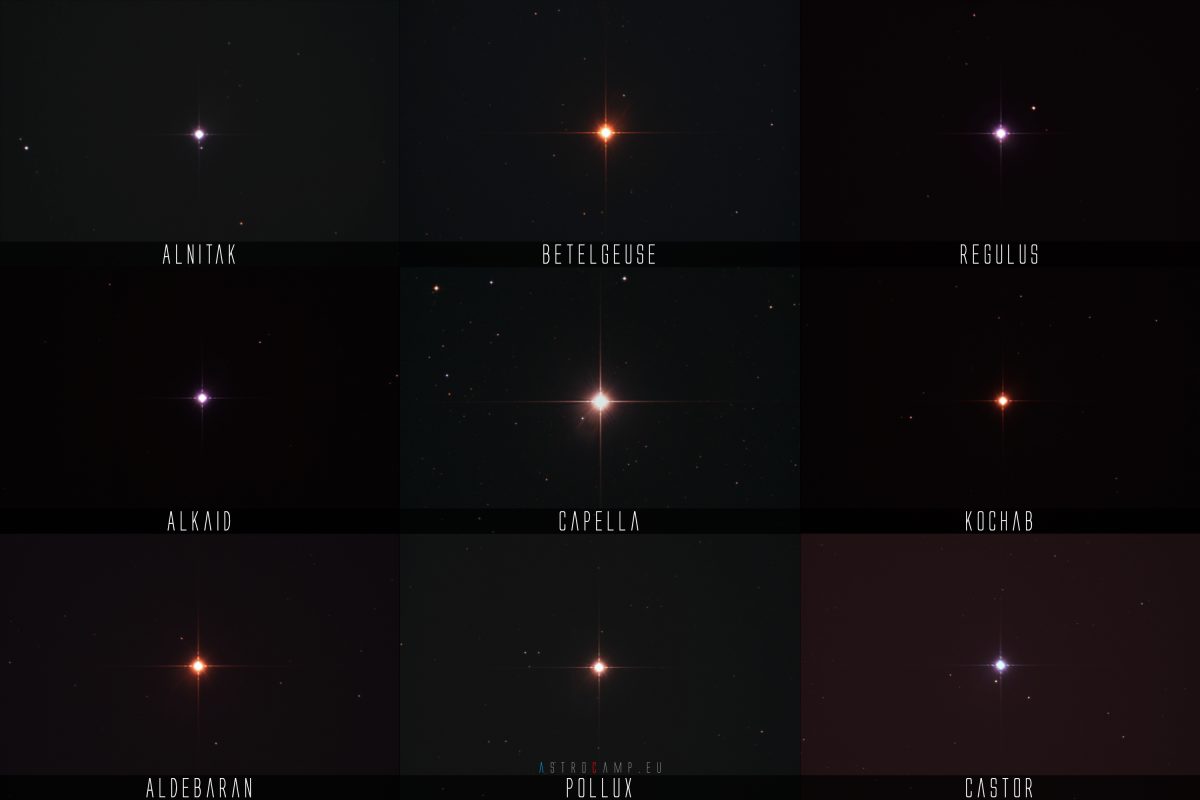
I wanted to do some mirror tests and I always wanted to create a small star collection.
 Astronomy and Astrophotography
I wanted to do some mirror tests and I always wanted to create a small star collection.
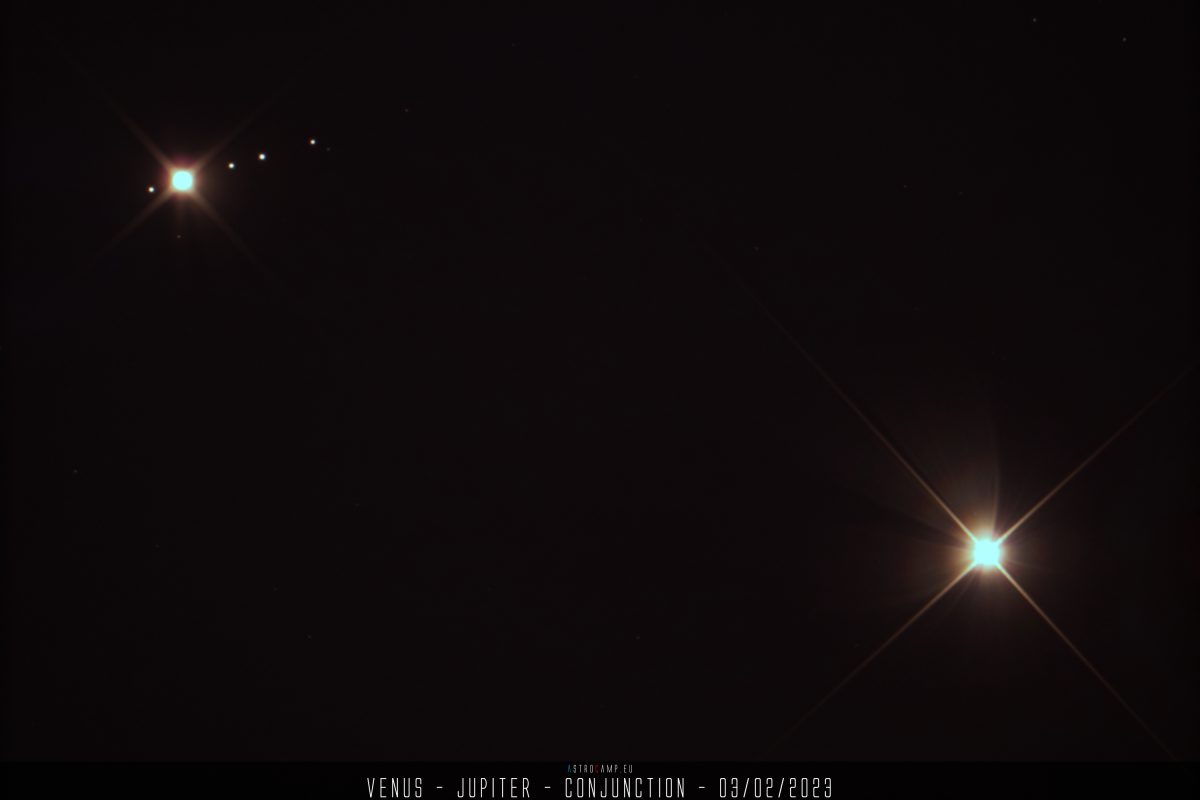
My single shot, overexposed, picture of the Venus-Jupiter-Conjunction.
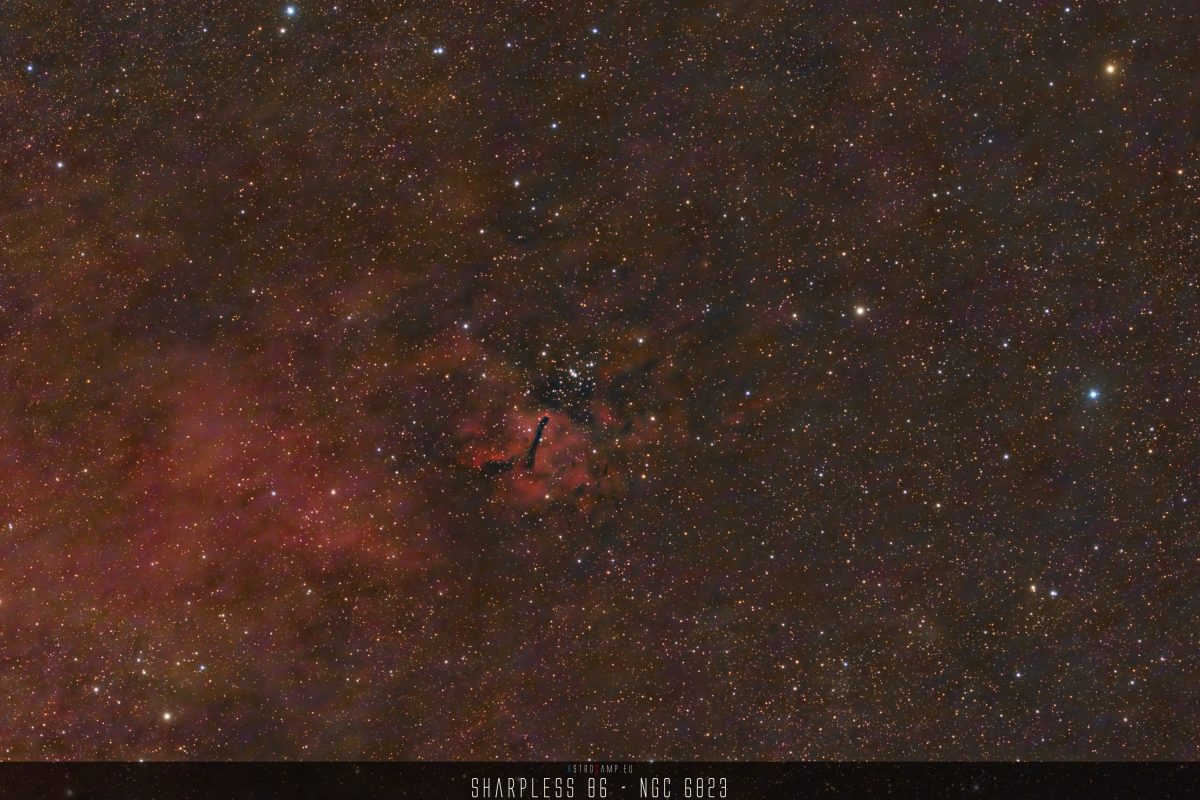
Sharpless 86 is a large emission nebula located in the constellation Vulpecula at a distance of about 6,000 light-years; it reaches its annual culmination at astronomical midnight in mid-July and is best observed during summer months.
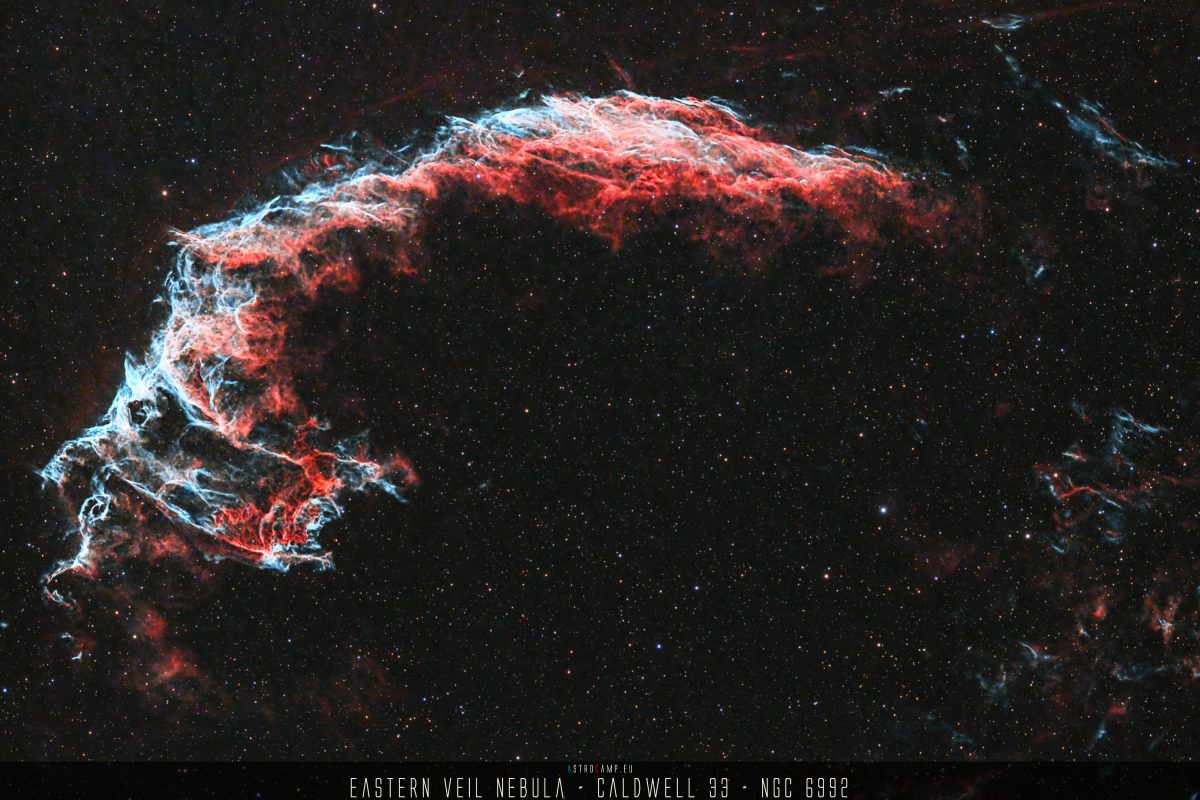
Caldwell 33, also known as the Eastern Veil Nebula, is part of a supernova remnant in the constellation Cygnus, located about 2,500 light-years away. It reaches its culmination around astronomical midnight during the first days of August.

The Pelican Nebula, located in the constellation Cygnus, is approximately 1,800 light-years away from Earth and reaches its annual culmination at astronomical midnight early August.
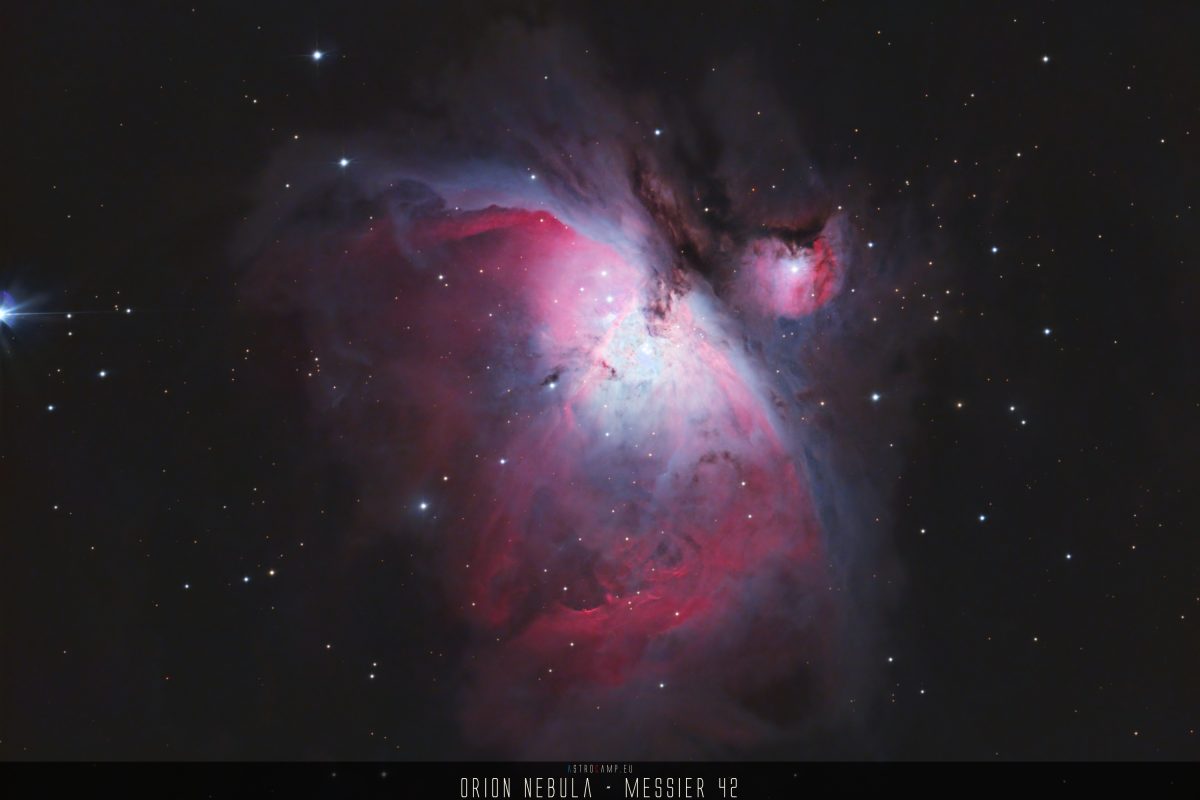
The Orion Nebula is a bright diffuse nebula located in the constellation Orion, approximately 1,344 light-years away from Earth, and reaches its annual culmination at astronomical midnight mid December.

The Andromeda Galaxy, located in the constellation Andromeda approximately 2.5 million light-years away, is the closest large spiral galaxy to the Milky Way and reaches its annual culmination at astronomical midnight in early October.

Messier 27 (the Dumbbell Nebula) is a bright planetary nebula in the constellation Vulpecula about 1,200–1,360 light-years away and reaches its annual culmination at astronomical midnight and is best observed around late July each year from mid-northern latitudes.

NGC 2419, also known as the “Intergalactic Wanderer,” is a globular cluster located in the constellation Lynx, approximately 270,000 light-years away from Earth. The cluster is best observed around mid-January.

My very first astrophoto with my mobile Astrophoto-Camp.