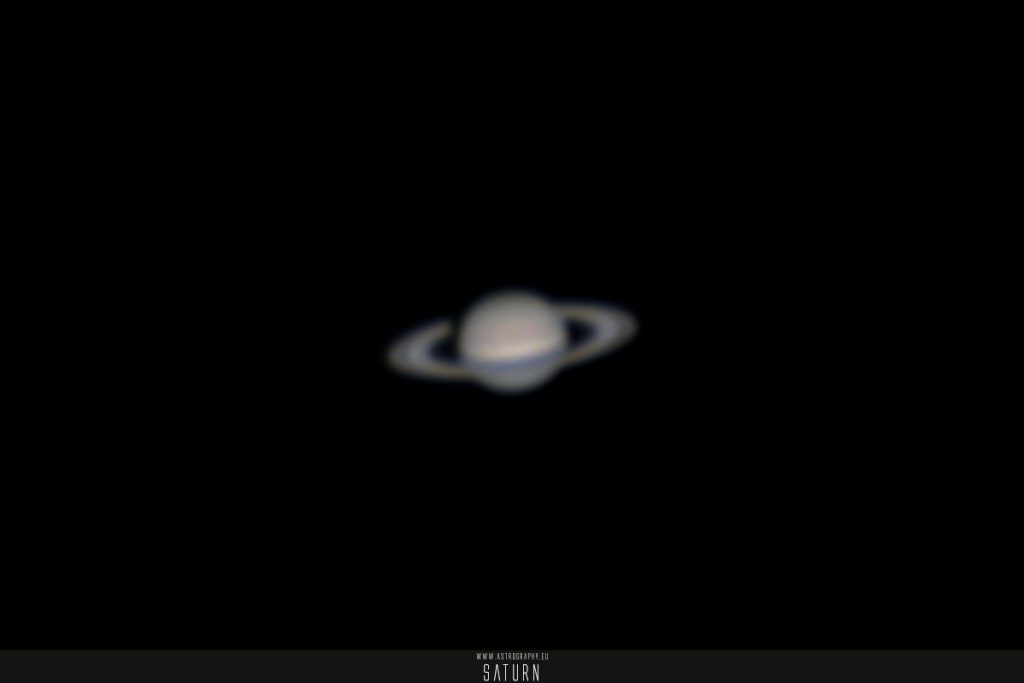
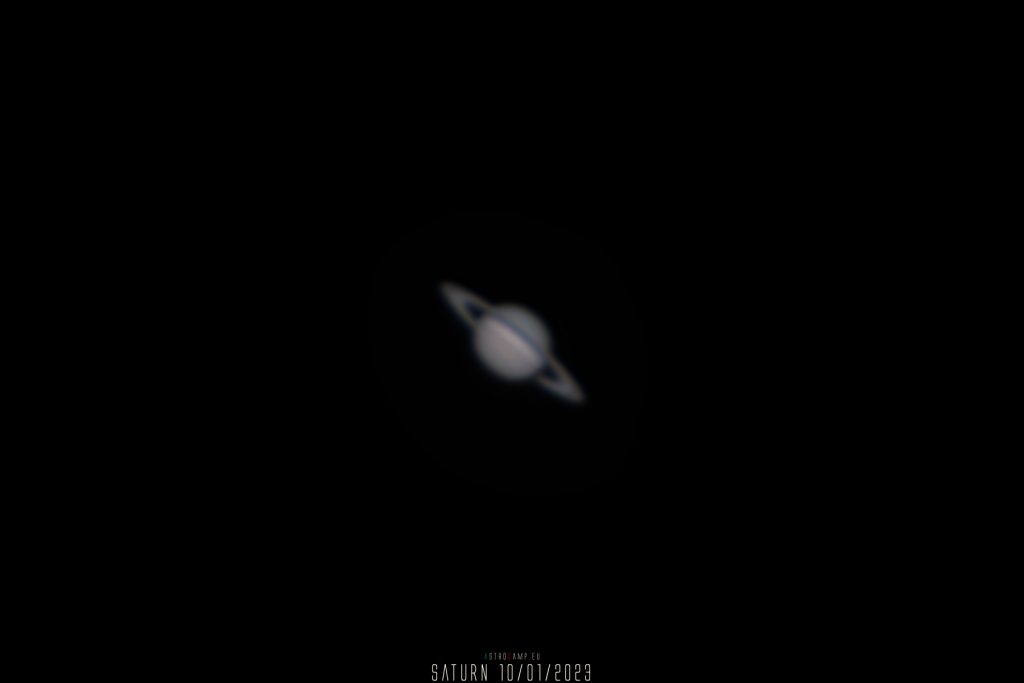
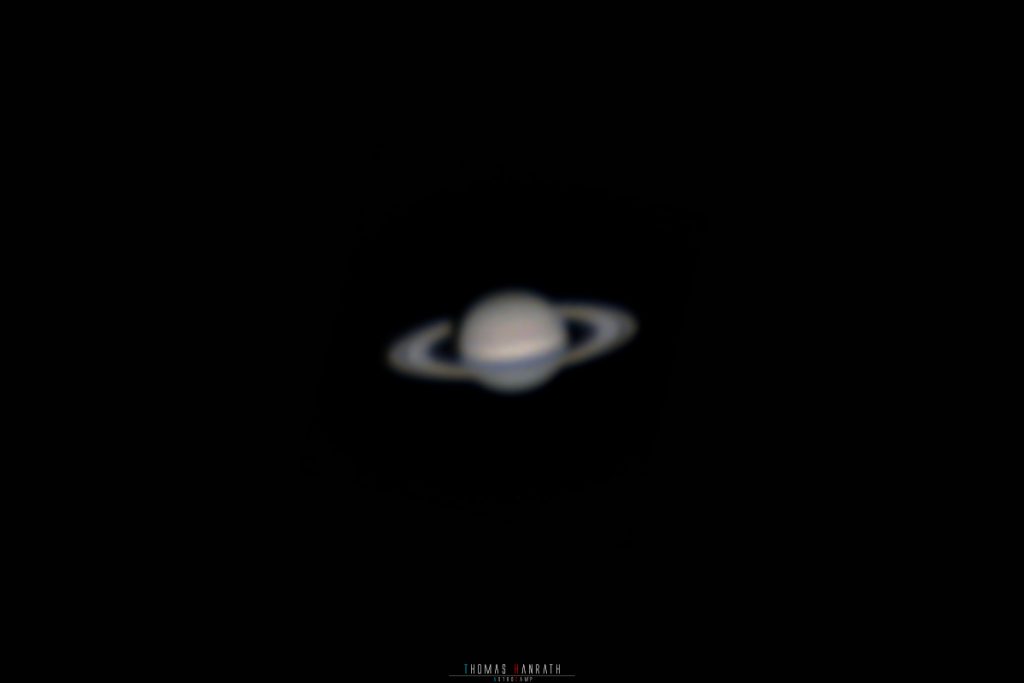
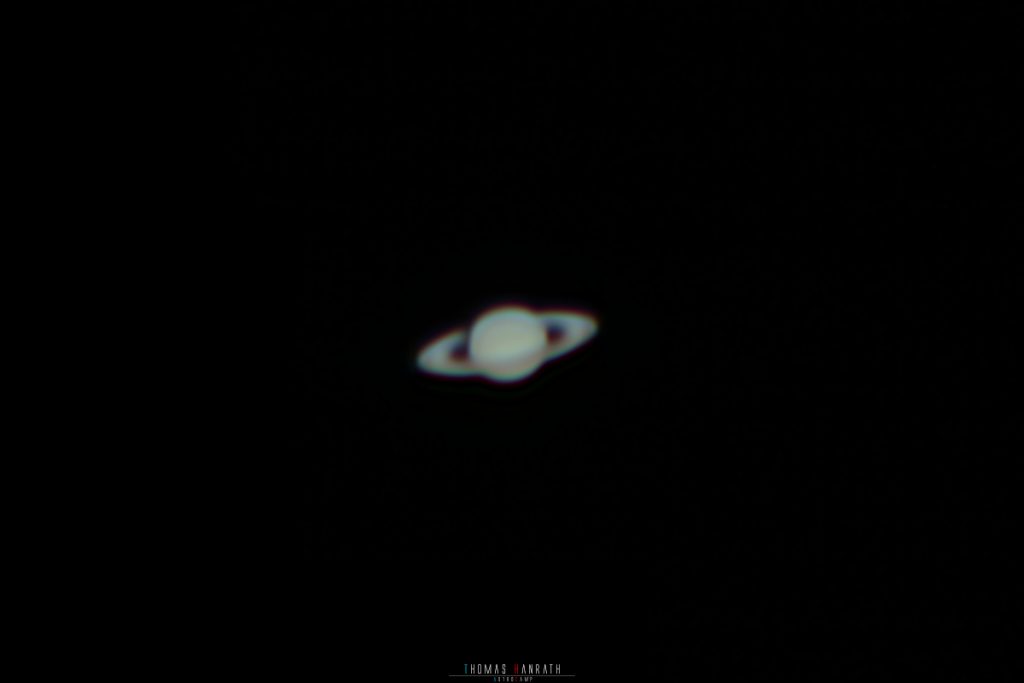
I have recently been dealing much more intensively with lucky imaging and planetary photography in particular.
Over the past years I have photographed planets again and again, but I am not yet an expert at it.
My latest improvements, which I was now able to try out on Saturn, are the significantly increased frame rate of my camera and the infrared-based luminance channel.
The difference is definitely visible. I consider this round of Jupiter at opposition another clear step forward – but as it goes, I am sure it can be done even better. Especially since there are considerably better planetary photos in the community.
High resolution on Astrobin:

Session details
| Telescope | Vixen VC200L |
|---|---|
| Corrector | Tele Vue Powermate 2.5x |
| Effective focal length | 4500 mm |
| Camera | QHY 5-III-462C |
| Filters | QHY UV/IR Cut Baader IR-Pass 685nm |
| Mount | WarpAstron WD-20P Berlebach UNI18 ASTRO |
| Date of capture | 2026-10-04 |
| ROI | 400×400 |
| Frame rate | 140,00 fps |
| Frames used | QHY UV/IR Cut: 1.000 of 10.000 Baader IR-Pass 685nm: 1.000 of 10.000 |
| Calibration frames | – |
| Sensitivity | GAIN 500 |
| Capture setup | Macbook Air M1, Firecapture |
| Processing date | 2026-10-05 |
| Software stack | Affinity, AutoStakkert, Registax |
| Location | Koblenz, Rheinland |
| Focal ratio | f/22,5 |