

How do you like this image?



I have recently been dealing much more intensively with lucky imaging and planetary photography in particular.
Over the past years I have photographed planets again and again, but I am not yet an expert at it.
My latest improvements, which I was now able to try out on Saturn, are the significantly increased frame rate of my camera and the infrared-based luminance channel.
The difference is definitely visible. I consider this round of Jupiter at opposition another clear step forward – but as it goes, I am sure it can be done even better. Especially since there are considerably better planetary photos in the community.
High resolution on Astrobin:

Session details
| Telescope | Vixen VC200L |
|---|---|
| Corrector | Tele Vue Powermate 2.5x |
| Effective focal length | 4500 mm |
| Camera | QHY 5-III-462C |
| Filters | QHY UV/IR Cut QHY IR-Pass 850nm |
| Mount | WarpAstron WD-20P Berlebach UNI18 ASTRO |
| Date of capture | 2026-10-04 |
| ROI | 400×400 |
| Frame rate | 140,00 fps |
| Frames used | QHY UV/IR Cut: 1.000 of 10.000 QHY IR-Pass 850nm: 1.000 of 10.000 |
| Calibration frames | – |
| Sensitivity | GAIN 500 |
| Capture setup | Macbook Air M1, Firecapture |
| Processing date | 2026-10-05 |
| Software stack | Affinity, AutoStakkert, Registax |
| Location | Koblenz, Rheinland |
| Focal ratio | f/22,5 |
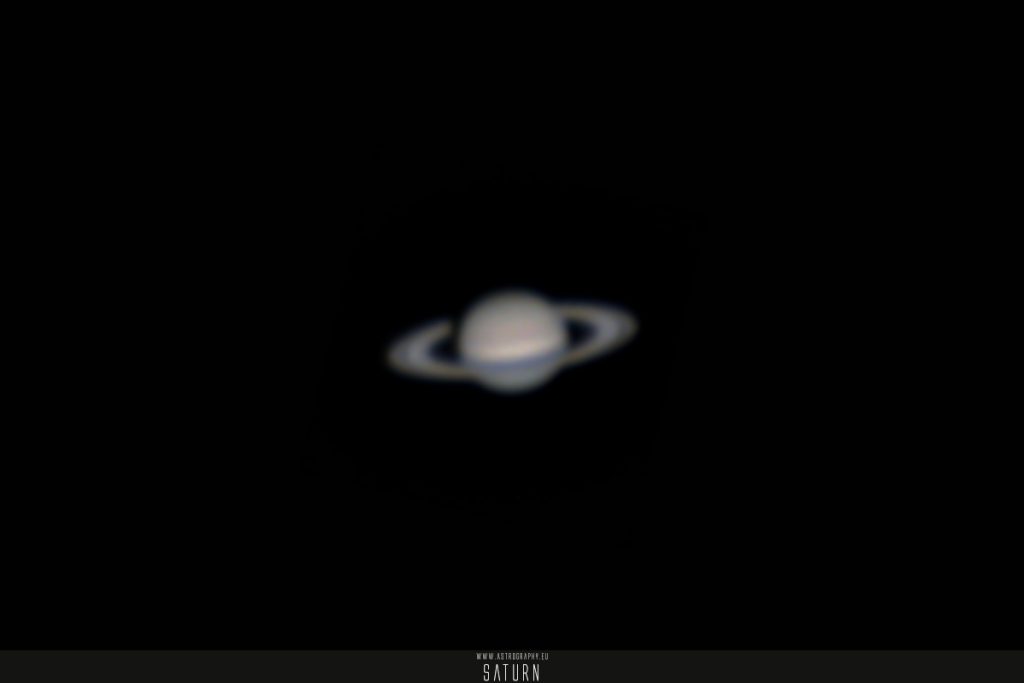

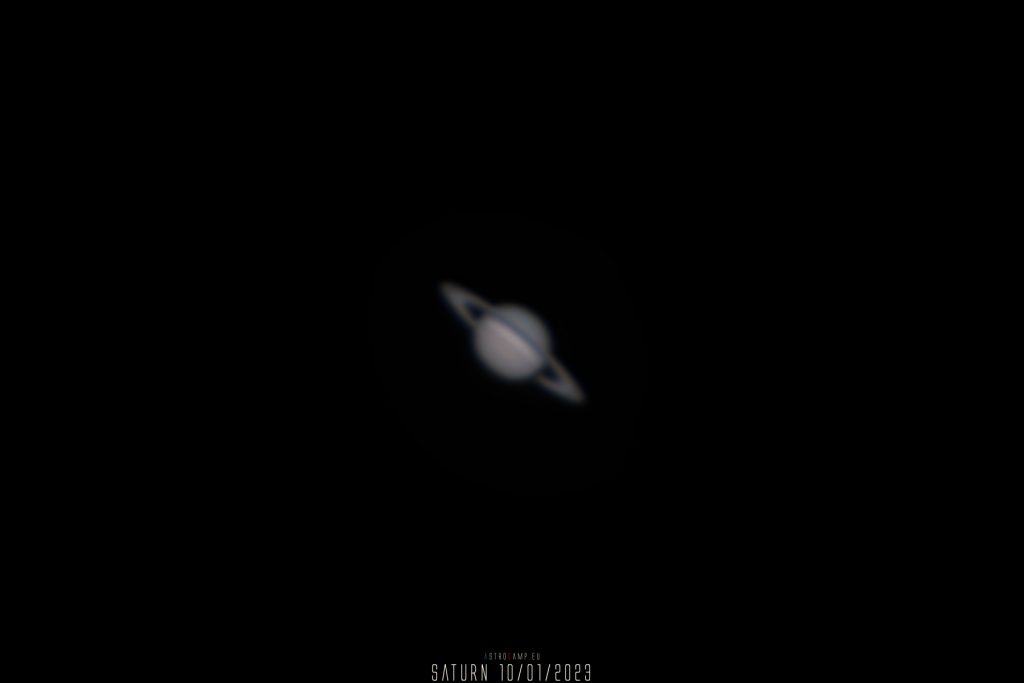
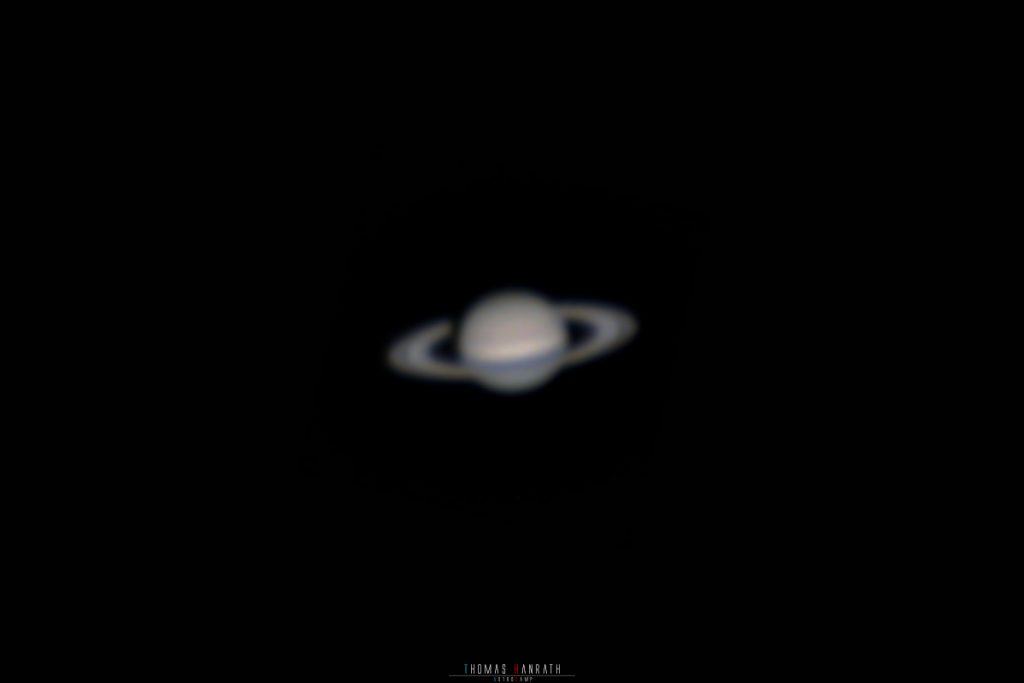
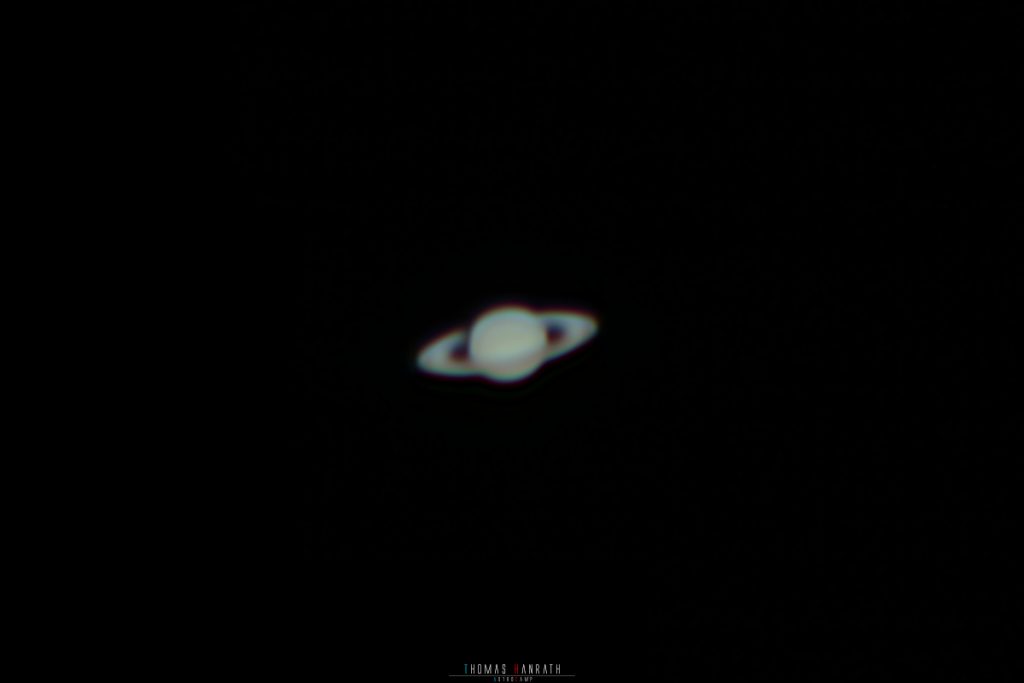

Uh do we already have this much angle to the rings, nice. Last time I looked it was basically a line.
yes, I was also very surprised 🙂
Just saw him, too through my telescope 😊
I also enjoyed Saturn visually before I used the camera. Always soo cool.
this really is so rad!
Really nice Saturn capture. What made you try infrared for this one?
just testing things out to improve my lucky imaging.
Have you noticed much difference in the detail compared with visible light?
yes, a bit.
I panned to make a comparison and a blog post about it.