
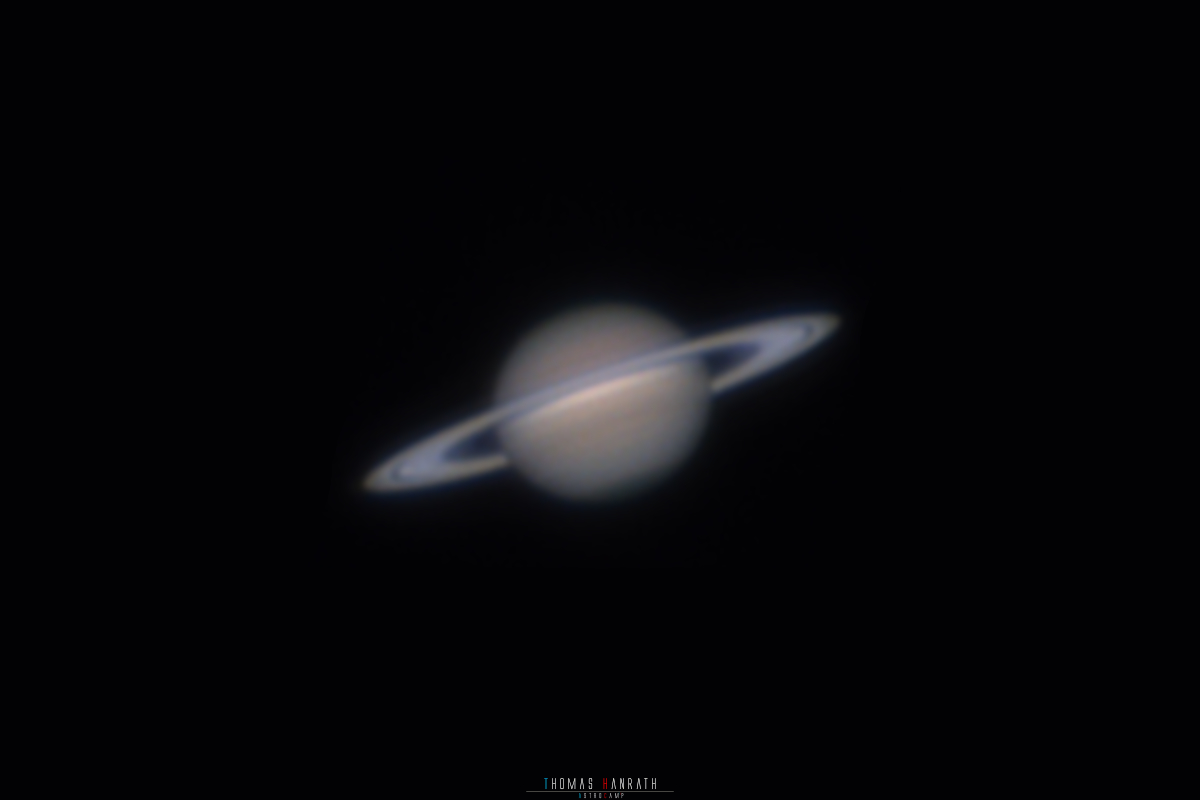
Wie gefällt dir dieses Bild?



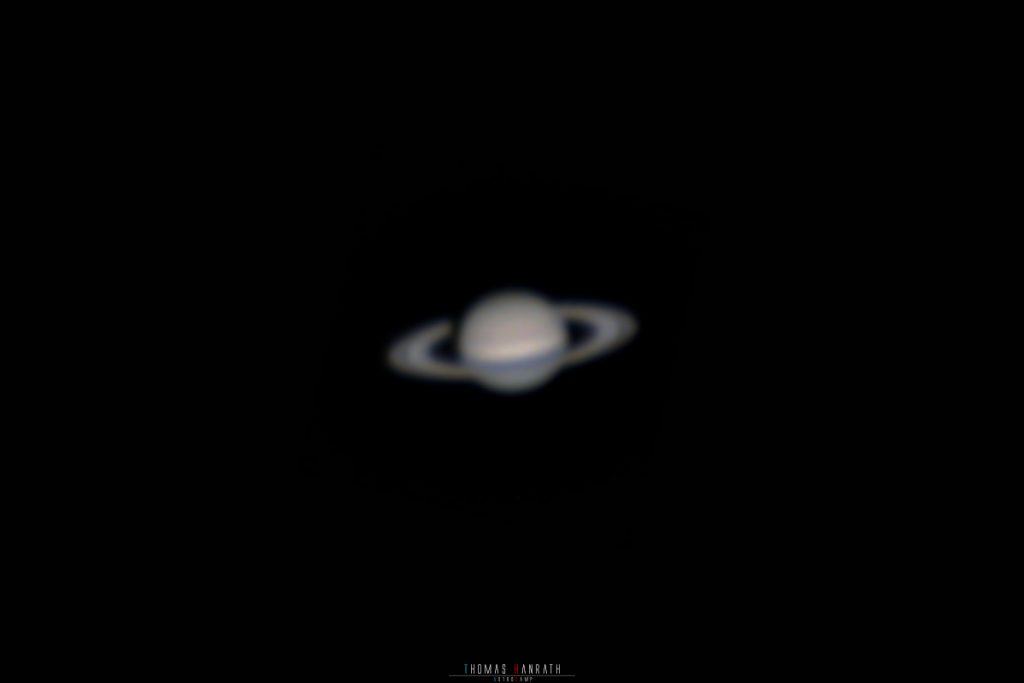
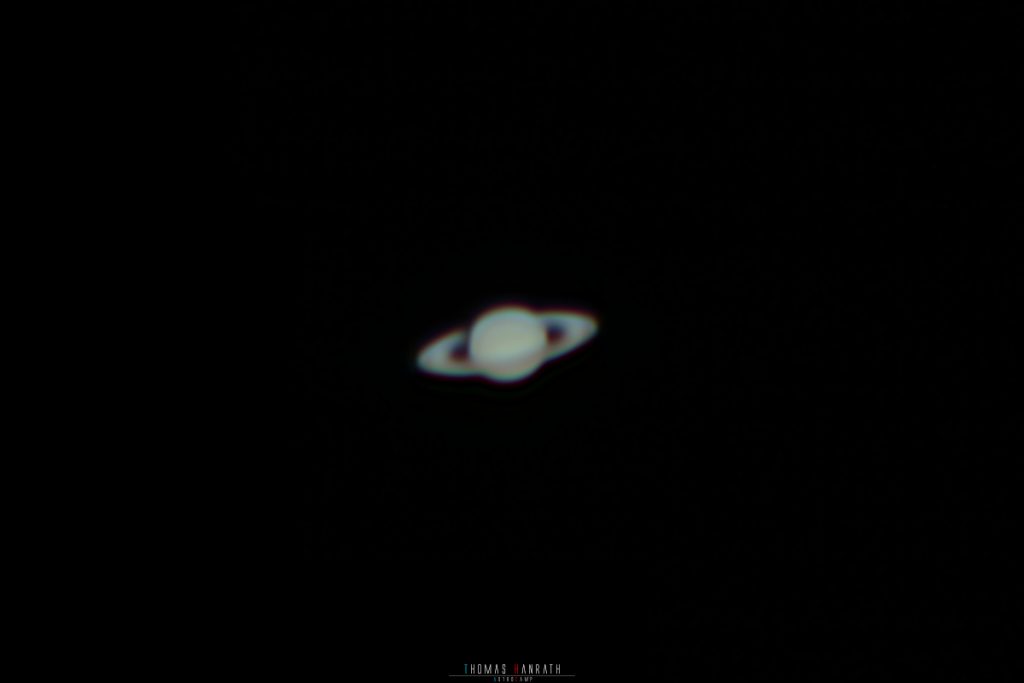
Vor ein paar Tagen hatte ich den 685nm Filter noch nicht da. Stattdessen hatte ich mit dem 850nm von QHY erstmalig mein Glück probiert.
Dieses Mal habe ich ein paar verschiedene Filterkombinationen getestet und habe mich für das Bild für den Luminanzkanal des Baader Filters entschieden.
In der Bildentwicklung habe ich den Luminanzkanal des 685nm Filters genutzt und den RGB Kanal quasi nativ mit UV/IR Cut des OSC QHY 462C.
Hochauflösend auf Astrobin:

Sitzungsdetails
| Teleskop | Vixen VC200L |
|---|---|
| Korrekturlinse | Tele Vue Powermate 2.5x |
| Errechnete Brennweite | 4500 mm |
| Kamera | QHY 5-III-462C |
| Filter | Baader IR-Pass 685nm QHY UV/IR Cut |
| Montierung | WarpAstron WD-20P Berlebach UNI18 ASTRO |
| Aufnahmedatum | 06.10.2026 |
| ROI | 400×400 |
| Bildrate | 140,00 fps |
| Verwendete Frames | Baader IR-Pass 685nm: 1.000 von 10.000 QHY UV/IR Cut: 1.000 von 10.000 |
| Kalibrierungsframes | – |
| Empfindlichkeit | GAIN 450 GAIN 400 |
| Aufnahmetechnik | Macbook Air M1, Firecapture |
| Entwicklungsdatum | 07.10.2026 |
| Software Stack | Affinity, AutoStakkert, Registax |
| Aufnahmeort | Koblenz, Rheinland |
| Öffnungsverhältnis | f/22,5 |



incredible! 😊
Dumb question from someone who uses much shorter lenses: why is your aperture so small?
the aperture from the VC200L is 200mm.
I meant aperture of the entrance pupil (because the f-stop is „extreme“ compared to normal photography). But it’s basically the same answer 😃
Whoa! That is great.👍
Thank you.
nice. I like it.
… what made you decide to go with 1’000 out of 10’000 frames?
10% fehlt nice. 🙂
5% or 20% didnt make a real difference.
stunning!
Nice comparison with the IR-pass filter. Did it bring out more detail in the cloud bands, or were you mainly testing how it handles the seeing?
it was the first „test“ with this filter. I also did a sequence with UV/IR cut. the UV was a bit sharper.
I used the UV for the lum and the other for rgb.